
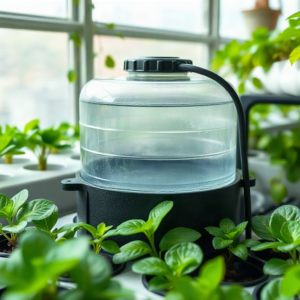
Reservoir Size for a Small Hydroponic Garden: Capacity Examples and Refill Plan
A practical reservoir size for a small hydroponic garden is usually based on plant count, mature plant demand, and the volume that remains after pumps and plumbing begin operating. Leafy greens often need less reserve capacity than fruiting tomatoes or cucumbers, while warm rooms, strong airflow, and exposed channels increase water loss.
Read More »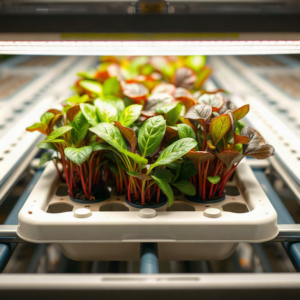
Troubleshooting Uneven Growth in Hydroponic Gardens Using a Cause-by-Zone Test
Troubleshooting uneven growth in hydroponic gardens works best by mapping weak plants by location, then comparing root condition, nutrient delivery, light exposure, airflow, and water temperature between strong and weak zones. A location-based pattern usually points to equipment or environmental variation, while scattered symptoms more often suggest plant age, transplant…
Read More »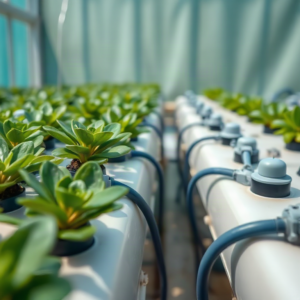
Optimizing Water Usage in Hydroponic Gardening With a Recirculation and Leak-Control Checklist
Optimize water usage in hydroponic gardening by recirculating the nutrient solution, covering exposed reservoirs and channels, repairing leaks, and replacing only the volume plants and evaporation remove. Measure reservoir loss at the same time each day, then distinguish normal crop uptake from abnormal losses caused by dripping fittings, overflowing return lines, or excess heat.
Read More »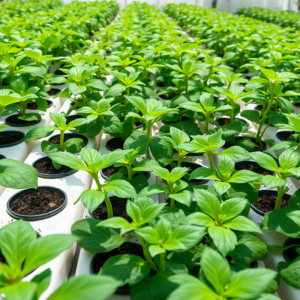
How To Avoid Over-Crowding In Hydroponic Gardens: Plant Spacing, Airflow, And Pruning
Avoid over-crowding in hydroponic gardens by spacing plants according to their mature canopy, limiting each site to one appropriately sized plant, and pruning growth before leaves overlap. Crowded foliage blocks light, restricts airflow, raises humidity around leaves, and makes nutrient or pest problems harder to detect.
Read More »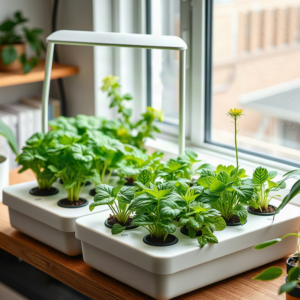
Hydroponic Gardens for Shared Living Spaces: Roommate-Friendly Setups, Crops, And Care
Hydroponic gardens for shared living spaces work best when compact crops, quiet equipment, spill-resistant placement, and clearly assigned care duties are planned together. A countertop wick or small deep-water system suits leafy greens and herbs, while a larger recirculating unit needs more light, reservoir checks, and agreement about noise and electricity.
Read More »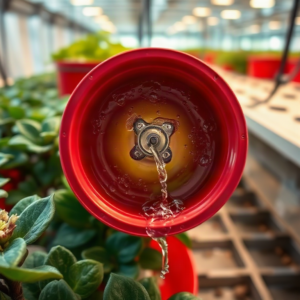
Hydroponic Gardening Myths About Nutrient Strength: What EC Readings Really Tell You
Hydroponic gardening myths about nutrient strength often confuse a stronger EC reading with better plant nutrition, even though EC measures electrical conductivity rather than complete nutrient balance. Plant age, crop type, light intensity, temperature, water quality, and root-zone conditions all affect how much feed is appropriate.
Read More »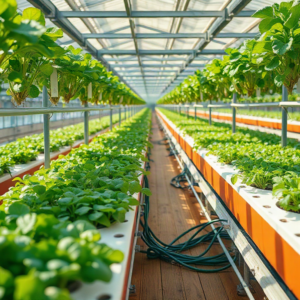
Reducing Single-Use Plastic in Hydroponic Gardens With Reusable Systems and Smarter Workflows
Reducing single-use plastic in hydroponic gardens means replacing disposable pots, bags, tubing, labels, and packaging with durable alternatives while keeping sanitation and crop reliability intact. Reusable nursery trays, washable harvest containers, refillable nutrient storage, fabric ties, and permanent plant labels usually deliver the biggest gains.
Read More »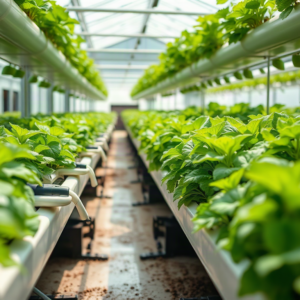
Hydroponic Garden Return On Investment Factors For Payback Planning And Crop Choice
Hydroponic garden return on investment factors are mainly upfront equipment, ongoing electricity and nutrient costs, crop value, harvest volume, system lifespan, and the grower’s labor. Payback is more realistic when a garden produces frequently harvested crops such as lettuce, herbs, or microgreens rather than low-value crops that occupy space for months.
Read More »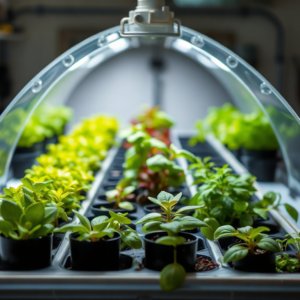
Scaling a Home Hydroponic Garden Safely With a Staged Expansion Plan
Scaling a home hydroponic garden safely means expanding plant sites, water volume, lighting, and electrical equipment in stages while preserving stable pH, nutrient strength, airflow, sanitation, and leak protection. Add one system section at a time, size pumps and circuits for the actual load, keep reservoirs accessible, and test the…
Read More »
Tracking Harvest Weight in Hydroponic Gardens Without Skewed Results
Link records to Tracking harvest weight in hydroponic gardens when reviewing changes, but avoid treating a single heavy harvest as proof that one.
Read More »