
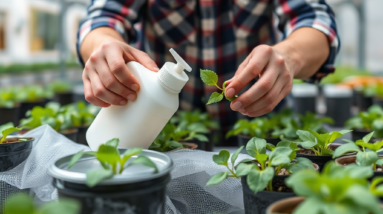
Hydroponic Pump Energy Consumption Explained With Wattage, Runtime, and Monthly Cost Examples
Hydroponic pump energy consumption explained: a pump’s electricity use depends mainly on its rated wattage, daily runtime, and the resistance created by lift height, tubing, fittings, and filters. Estimate usage by multiplying watts by operating hours and dividing by 1,000 to get kilowatt-hours, then multiply by your electricity rate.
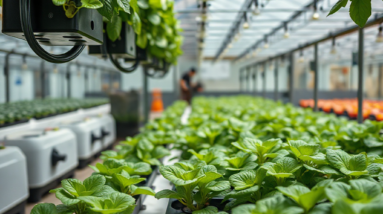
Using Ground Fault Protection in Hydroponics for Safer Pumps, Lights, and Wet-Grow Areas
Using ground fault protection in hydroponics means placing properly rated GFCI or RCD protection between wet-area equipment and the electrical supply, then testing the protection and investigating every trip. Water, conductive nutrient solution, damaged insulation, and grounded metal can create a path for leakage current that ordinary overcurrent breakers may not detect quickly.
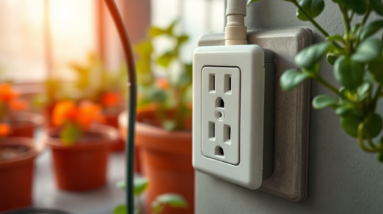
Safe Electrical Outlets for Hydroponic Gardens (GFCI Placement, Cord Routing, and Shutdown Checks)
Safe electrical outlets for hydroponic gardens should use GFCI protection, remain outside splash and spill zones, and connect only to properly rated cords and equipment. Place the receptacle where water cannot run toward it, route cables with drip loops, and keep plugs off floors and reservoir lids.
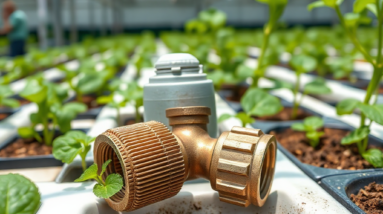
Preventing Leaks at Hydroponic Fittings: Seal Checks, Installation Steps, and Failure Signs
Preventing leaks at hydroponic fittings depends on matching each connector to the tubing, making a square clean cut, seating the tube fully, and testing the joint before plants or equipment are at risk. Drip emitters, bulkhead fittings, threaded adapters, and pump connections fail for different reasons, including crooked cuts, overtightened…
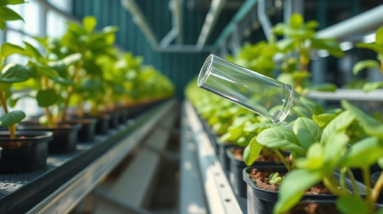
How to Choose Hydroponic Tubing Diameter for Flow Rate, Fittings, and Long Runs
Choose hydroponic tubing diameter by matching the pump’s target flow, the distance and height the solution must travel, the number of outlets, and the size of each fitting. Use the pump’s flow chart at the expected head height, then select tubing that will not create excessive friction or force restrictive adapters into the layout.
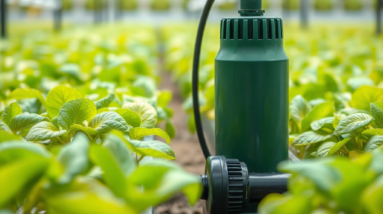
Matching Pump Flow to Hydroponic Plumbing: Sizing Steps, Pressure Loss, and System Checks
Matching pump flow to hydroponic plumbing means selecting a pump that delivers the required flow at the system’s actual vertical lift and pipe resistance, not at its zero-head rating. Calculate the target flow for the growing method, measure the height from reservoir water level to the highest outlet, and account…
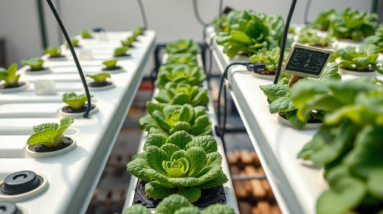
Choosing a Reservoir Size for Hydroponic Vegetables With Crop Load and Water-Use Checks
Choosing a reservoir size for hydroponic vegetables means matching usable solution volume to plant count, crop maturity, system design, room temperature, and how often you can inspect the tank. A larger reservoir changes pH and nutrient concentration more slowly, provides more buffer against plant uptake and evaporation, and reduces refill frequency.
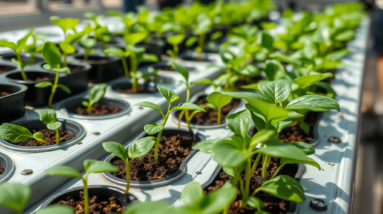
How to Prevent Nutrient Burn in Seedlings: Key Causes and Effective Solutions
How to prevent nutrient burn in seedlings.
How to Evaluate the Success of Hydroponic Crops: Key Metrics and Practical Methods
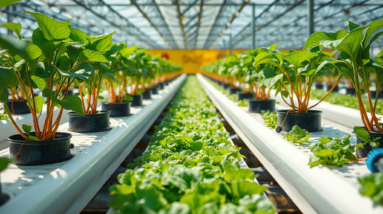
How to evaluate the success of hydroponic crops.
Issues With Nutrient Solution Conductivity: Common Causes and Effective Remedies
Prioritize high-quality water, balanced nutrient solutions, and a stable growing environment to prevent conductivity issues and foster optimal plant growth.