
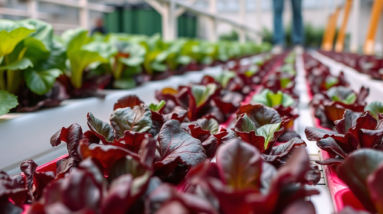
Hydroponic Lettuce Succession Planting Schedule For Continuous Harvests
A hydroponic lettuce succession planting schedule usually means sowing a new batch every 7–14 days, moving seedlings into available sites as older plants approach harvest, and adjusting the interval for cultivar, temperature, light, and household demand.
Choosing Clips for Hydroponic Plant Training: Stem Fit, Grip, and Growth-Safe Use
Choosing clips for hydroponic plant training means matching clip diameter, grip strength, and material to the plant’s stem, growth stage, and support method. Small, flexible clips suit young stems, while larger soft-coated clips work better for thickening branches and gentle redirection.
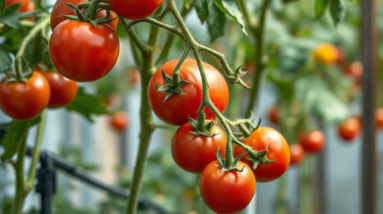
Supporting Heavy Hydroponic Tomato Branches With Trellis Clips, Slings, and Pruning Timing
Supporting heavy hydroponic tomato branches works best with early trellising, soft ties, and separate support for fruit-loaded clusters rather than relying on the plant stem alone. Attach the main vine to a stable overhead line or vertical trellis, use loose clips or adjustable ties at regular intervals, and add slings…
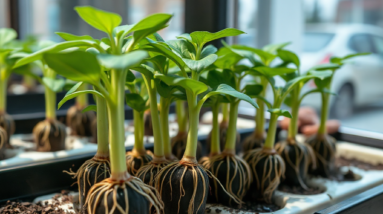
Why Transplanted Hydroponic Seedlings Wilt After Moving: Causes, Timing, and Recovery Steps
Transplanted hydroponic seedlings wilt because their roots lose reliable access to water and oxygen while adjusting to a new container, nutrient solution, light level, or airflow pattern. Root damage, dry starter media, excessive solution depth, low humidity, and sudden bright light can all increase water loss faster than the roots can replace it.
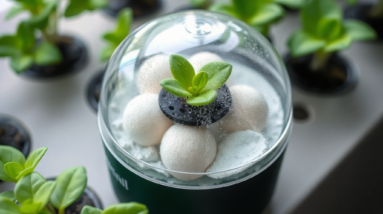
When Hydroponic Air Stones Need Replacement: Symptoms, Timing, and What to Check
Hydroponic air stones need replacement when cleaning no longer restores a reasonably even bubble pattern, air output remains weak, or the stone shows cracks, crumbling, mineral blockage, or damaged fittings. A failing stone can reduce dissolved oxygen around the roots, strain the air pump, and leave quiet areas in the…
How Often to Replace Hydroponic Tubing Based on Wear, Heat, and Flow Changes
Replace hydroponic tubing when it becomes brittle, cloudy, kinked, swollen, permanently stained, or unable to seal reliably; many indoor setups inspect it every crop cycle and commonly replace flexible lines about once a year, while heavily exposed or chemically stressed tubing may need earlier replacement.
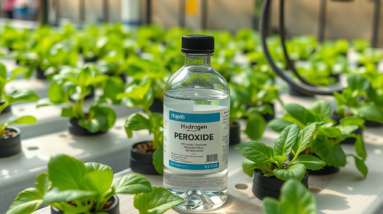
Hydrogen Peroxide for Hydroponic System Cleaning: Concentration, Contact Time, and Rinse Steps
Hydrogen peroxide for hydroponic system cleaning is useful for loosening organic residue and reducing microbial contamination when the system is empty, the solution is properly diluted, and all surfaces receive adequate contact time before thorough rinsing.
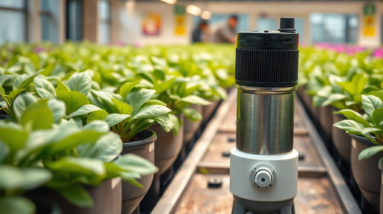
How to Size a Hydroponic Pump for Head Height, Flow Rate, and System Reliability
Size a hydroponic pump by matching the required flow rate at the system’s total dynamic head, not by choosing a pump from its maximum gallons-per-hour rating. Measure vertical lift from the reservoir waterline to the highest outlet, add resistance from tubing, elbows, filters, emitters, and fittings, then select a pump…
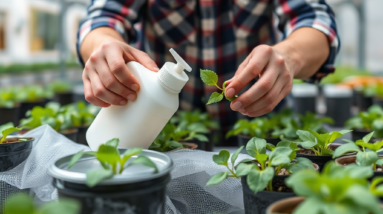
Cleaning Net Pots Between Hydroponic Crops: A 4-Step Sanitation Routine
Cleaning net pots between hydroponic crops requires removing old roots and media, scrubbing residue, rinsing thoroughly, sanitizing with a suitable diluted product, and drying the pots before reuse. Root fragments trapped in the mesh can hold algae, biofilm, salts, and plant pathogens that may affect the next crop.