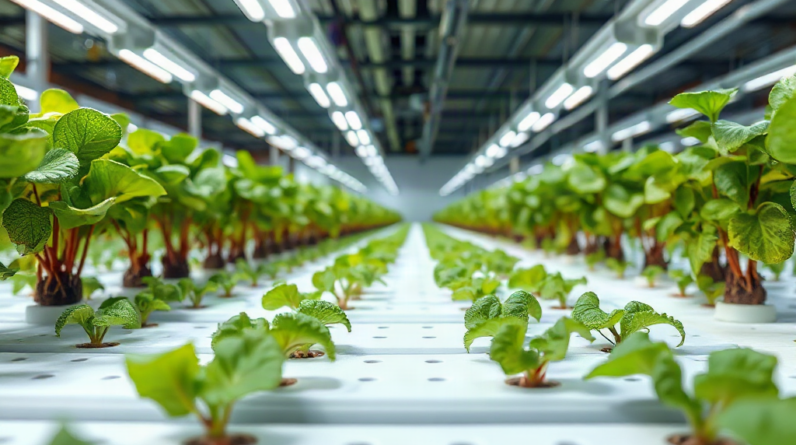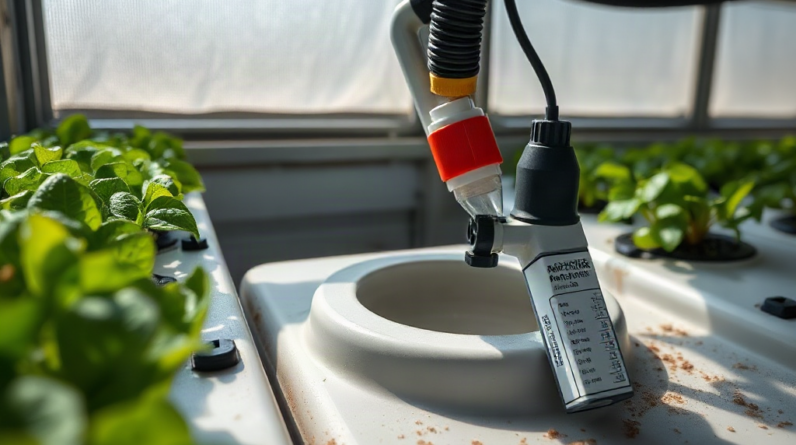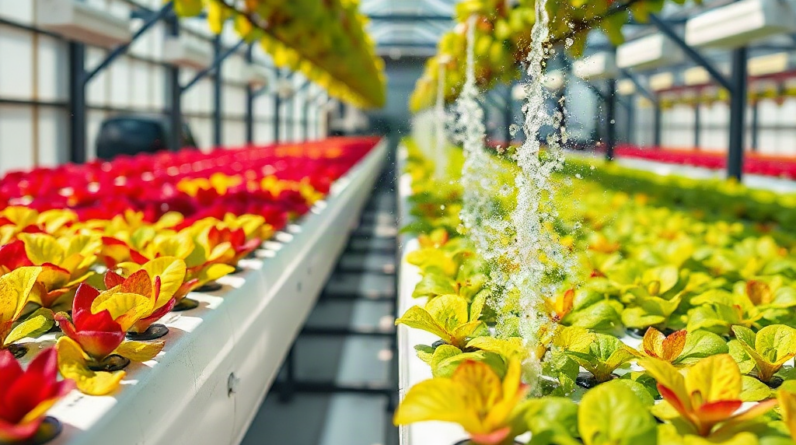
Evaluate the effectiveness of hydroponic systems by tracking crop output, plant quality, resource use, operating stability, and total production cost across complete growing cycles. Record marketable yield, crop time, water and fertilizer consumption, energy use, labor, pH, electrical conductivity, solution temperature, and equipment failures under consistent conditions. Compare those results with a defined baseline rather than judging the system from plant appearance or maximum yield alone. An effective setup produces repeatable harvests without excessive inputs, chronic root-zone fluctuations, or frequent corrective work. Several crop cycles are usually needed to separate dependable performance from a single unusually good or poor harvest.
Define What Effective Performance Means
A useful evaluation begins with a specific production objective and a fair comparison point. A countertop herb unit, a deep-water culture raft, and a recirculating drip installation do not have the same capacity, operating demands, or crop purpose. Measuring all three by maximum harvest weight would conceal meaningful differences in crop quality, space use, reliability, and expense.
Choose the outcome before collecting data. A home grower may value dependable lettuce harvests with little daily attention. A market grower may care more about marketable kilograms per square meter, harvest frequency, uniformity, and cost per saleable plant. A propagation system may be effective when it produces compact transplants with dense, pale roots and consistent readiness dates, even though its harvested biomass is low.
The baseline should represent a realistic alternative. It could be the system’s prior growing cycle, a nearby soil-grown bed, another hydroponic design using the same cultivar, or the manufacturer’s expected operating range. Comparisons are credible only when crop variety, planting density, light exposure, growth period, and harvest standard are reasonably similar. A basil crop under stronger lighting cannot fairly demonstrate that one channel design is better than another.
Build a small scorecard around several kinds of evidence rather than one headline number:
- Production: marketable yield, days to harvest, survival rate, and usable growing area.
- Quality: uniformity, leaf or fruit defects, root condition, shelf life, and crop consistency.
- Inputs: water, fertilizer, electricity, replacement parts, and labor per crop cycle.
- Control: stability of pH, electrical conductivity, temperature, flow, and dissolved oxygen where measured.
- Reliability: leaks, blocked emitters, pump interruptions, disease events, and unscheduled corrections.
Assign priorities that match the operation. Yield may carry greater weight in a commercial greenhouse, while labor and noise may matter more in an apartment. Avoid converting everything into a single score too early. Two systems can receive the same total while having very different weaknesses—one may consume excessive electricity, while the other loses plants whenever a dripper blocks. Readers working through how to evaluate the effectiveness of hydroponic systems should preserve those individual measurements so the final judgment remains actionable.
Measure Crop Output and Plant Quality
Crop performance should be measured from planting or transplanting through a clearly defined harvest point. Record the number of plants started, the number reaching harvest, total harvested weight, marketable weight, and days in production. Marketable output is usually more informative than total biomass because damaged, undersized, bitter, misshapen, or diseased produce still consumed space and inputs.
Normalize the result so different trials can be compared. Useful units include marketable weight per square meter, saleable plants per channel, or harvested weight per fixture footprint. Time also belongs in the calculation. A system producing 10 kilograms in eight weeks may use its growing area less productively than one producing 8 kilograms every five weeks. For repeatedly harvested herbs, log both the weight and date of each cutting rather than combining them into an undocumented seasonal total.
Quality observations explain why the numbers changed. At the same point each week, inspect canopy color, internode length, leaf damage, flowering or fruit set where relevant, and differences between plants at the inlet and outlet of a channel. Examine roots for color, odor, firmness, and distribution. Cream-colored roots are not automatically unhealthy when nutrients stain them, so compare texture and smell alongside color. Photograph plants from the same position and under similar lighting; inconsistent photographs can exaggerate or hide changes.
Uniformity often exposes a weak system before average yield does. Suppose a nutrient film technique channel produces a respectable total lettuce weight, but plants near the inlet are large while those at the outlet remain small. The average masks uneven flow, channel slope, root obstruction, or a temperature gradient. The installation may appear productive while failing to deliver predictable harvest grades. Measuring individual head weights or sampling fixed positions reveals that pattern.
Do not attribute every crop difference to system design. Seed vigor, transplant age, pests, light distribution, temperature, cultivar, and harvest timing can all change the result. Change one major variable per comparison where possible. If a grower replaces the pump, alters fertilizer concentration, increases lighting, and changes varieties at once, the better harvest cannot identify which intervention worked.
A practical crop log needs consistency more than laboratory precision. Use the same scale, harvest criteria, sampling positions, and observation schedule. Compare at least two complete cycles, preferably more when seasonal room temperatures or daylight affect conditions. Signs of improvement include a rising share of marketable produce, tighter size distribution, fewer losses, and stable harvest timing—not merely one exceptionally heavy plant.
Audit Water, Nutrients, Energy, and Labor
Resource efficiency is the relationship between usable crop output and the inputs required to produce it. A high-yielding system may still be a poor choice if it needs constant reservoir replacement, powerful cooling, frequent pump cleaning, or expensive consumables. Input records convert those hidden burdens into comparable operating evidence.
Measure all water added to the reservoir, including top-ups and full solution changes. Note water removed for cleaning, flushing, leaks, or disposal. Dividing total water use by marketable harvest gives a practical crop-level indicator, but it should be interpreted carefully. Water remaining in the reservoir at harvest has not necessarily been consumed, and unusually humid or hot conditions can shift plant water use between trials.
Fertilizer records should include the quantity of base nutrients, supplements, and pH adjusters used during the entire cycle. Electrical conductivity indicates the concentration of dissolved ions; it does not reveal whether individual elements remain balanced or whether accumulated sodium and other unwanted ions are present. Treat a stable EC reading as a control signal, not proof that nutrition is optimal. Frequent correction may indicate a reservoir that is too small for the plant load, uneven plant uptake, poor source-water quality, or inconsistent dosing.
Electricity can be estimated from equipment wattage and actual operating hours, then checked with a plug-in energy meter where suitable. Include pumps, air pumps, grow lights, fans, chillers, heaters, and environmental controls serving the crop. Separating lighting from circulation is useful because a change in pump design should not receive credit for an unrelated lighting improvement. A larger pump may deliver robust flow yet waste energy and warm the solution if most of its output is throttled through a valve.
Labor deserves the same attention. Track minutes spent mixing solution, testing pH and EC, pruning roots, cleaning channels, clearing emitters, repairing leaks, and harvesting. Routine inspection should be separated from emergency correction. Ten predictable minutes per day is operationally different from two hours of unplanned work after a pump failure, even if the weekly totals are similar.
Use a compact end-of-cycle audit:
- Calculate marketable harvest per unit of water, fertilizer, electricity, growing area, and labor.
- Add consumables and replacement parts to the operating cost.
- Identify the input that increased without a corresponding improvement in usable output.
- Change that constraint during the next comparable crop cycle and retain the remaining settings.
The cheapest result is not automatically the most effective. Reducing aeration or monitoring may lower short-term expense while raising the risk of root stress and crop loss. The better target is the lowest practical input level that still preserves crop quality, environmental control, and an acceptable safety margin.
Test Reliability Across Complete Growing Cycles
Effective systems maintain acceptable root-zone conditions despite normal disturbances. A single successful harvest under close supervision says little about how the installation responds to warmer weather, mature root mass, partial blockages, power interruptions, or an operator missing a routine check. Reliability testing examines both stability and recovery.
Log pH, EC, reservoir temperature, water level, and flow at the same times each day or week. Dissolved oxygen can add useful evidence in deep-water culture and warm reservoirs when an appropriate meter is available. Look beyond whether each reading falls inside a chosen range. Record how quickly it moves, how often adjustment is required, and whether the same drift repeats. A reservoir that crosses its pH limits every day creates more labor and dosing error than one that remains steady for several days.
Inspect delivery at the point of use, not only at the pump. In a drip system, capture emitter output for a fixed time and compare multiple positions. In nutrient film technique, check that a shallow, continuous film reaches the ends of channels after roots expand. In deep-water culture, verify that aeration reaches every root zone rather than judging performance by bubbles near the air stone. These checks uncover distribution failures that a running pump can conceal.
Failure consequences vary by design. Deep-water culture may provide some buffer during a brief circulation interruption if roots remain in aerated solution, although loss of aeration can become serious. Exposed roots in channels or towers can dry rapidly after flow stops. Passive methods may tolerate power loss but offer less active control over oxygen and concentration. An effectiveness assessment should therefore include the severity of failure, time available to respond, and ease of restoring operation.
Safe simulations can reveal weaknesses without sacrificing a crop. Test alarms by lifting a water-level sensor, observe whether a backup air pump starts as intended, and time how long routine cleaning takes. Do not deliberately leave vulnerable roots without water or disable essential equipment during hot conditions. Inspect fittings, drain capacity, pump accessibility, spare-part availability, and whether a blocked outlet could cause an overflow.
Review the data after every cycle and classify problems as design, maintenance, environment, or operator issues. Repeated outlet starvation may point to channel layout; one dirty filter may reflect missed maintenance. The distinction controls the next action. Replacing equipment will not fix an inconsistent cleaning schedule, while stricter monitoring will not correct undersized drainage. A sound approach to how to evaluate the effectiveness of hydroponic systems treats repeatability as evidence: stable harvest dates, fewer emergency interventions, controlled root-zone readings, and predictable input use indicate that the installation is becoming dependable.
Frequently Asked Questions
How Many Growing Cycles Are Needed for a Fair Evaluation?
Use at least two comparable cycles, and continue longer if temperature, daylight, crop variety, or operator experience changed substantially. One harvest can be distorted by seed quality, weather, pests, or a temporary equipment problem.
Is Yield the Best Measure of Hydroponic Effectiveness?
Yield matters, but marketable yield, crop duration, uniformity, input consumption, labor, and failure frequency provide a more useful judgment. High total weight can conceal defective produce or excessive operating cost.
Which Readings Should Be Logged Most Often?
Prioritize pH, EC, water level, solution temperature, flow, and visible root and leaf condition. Logging frequency should increase in small reservoirs, warm conditions, and systems where exposed roots depend on continuous flow.
How Can Two Different Hydroponic Designs Be Compared Fairly?
Grow the same cultivar at similar density and under comparable light, temperature, crop duration, and harvest standards. Normalize results by growing area, time, and marketable output, then compare operating inputs and reliability separately.
What Indicates That a System Is Performing Poorly?
Warning signs include uneven plants, declining marketable yield, rapid pH or EC drift, recurring clogs, warm solution, frequent top-ups without explanation, rising labor, root deterioration, and repeated emergency adjustments.
Conclusion
A credible assessment connects harvest results with the resources and control needed to achieve them. Establish a relevant baseline, use consistent crop and harvest standards, and measure marketable output rather than relying on appearance or total biomass. Pair those records with water, fertilizer, electricity, labor, root-zone stability, and equipment-failure logs.
After each crop cycle, identify the limiting factor with the clearest evidence and alter only one major variable where practical. Continue tracking long enough to distinguish a durable improvement from normal crop variation. A system earns a favorable judgment when it supplies uniform, usable harvests on a predictable schedule, keeps inputs within an acceptable budget, and tolerates ordinary operating disturbances without repeated rescue work. That evidence also shows whether the next investment belongs in equipment, environmental control, maintenance, or operator practice.