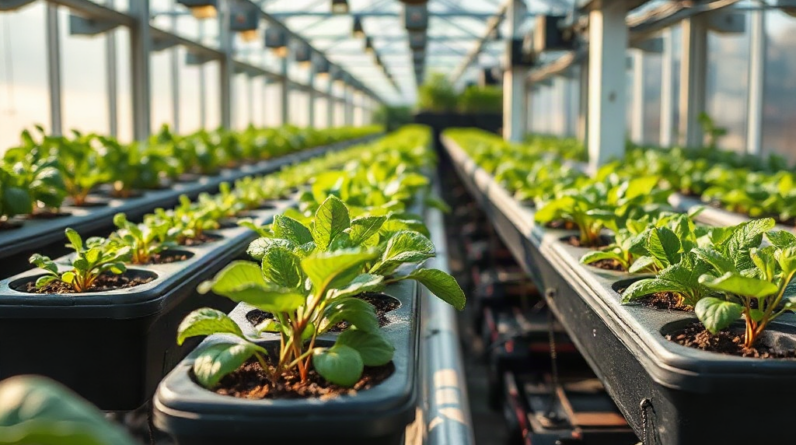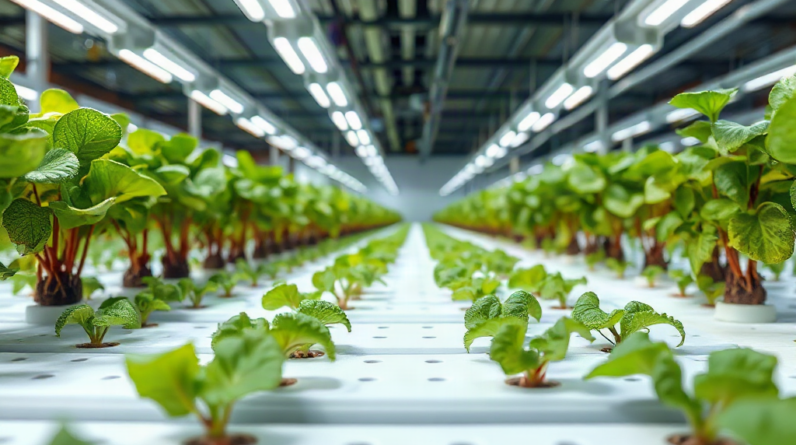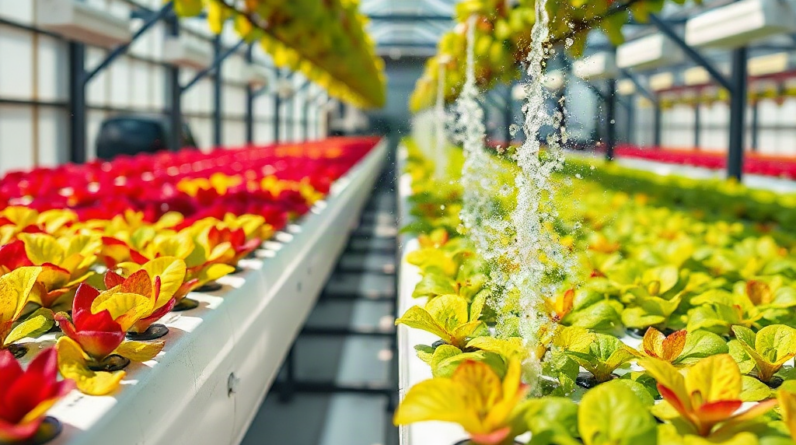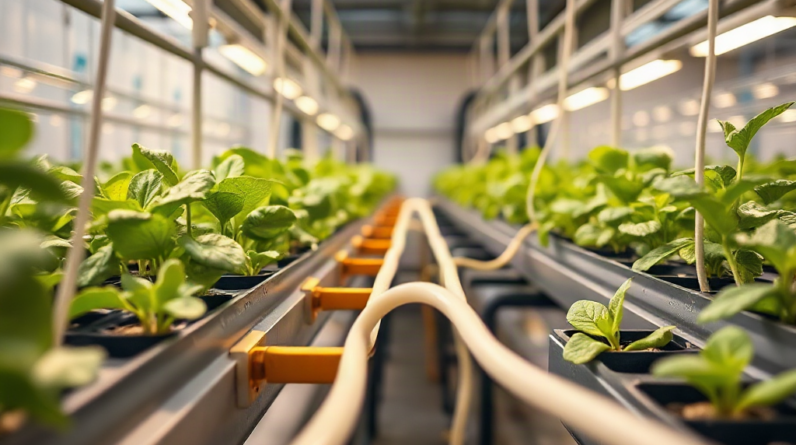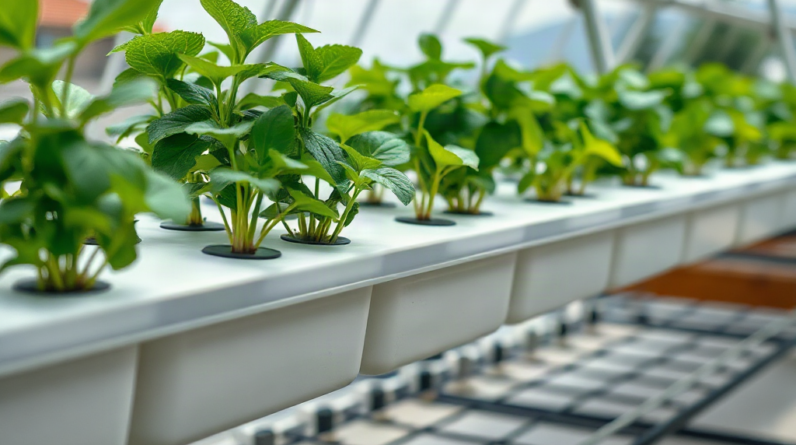
One of the most critical aspects of hydroponic gardening is the quality and intensity of light. Plants require sufficient light for photosynthesis, which is vital for growth and yield. LED grow lights are often recommended due to their energy efficiency and ability to provide the specific light spectrum that plants need. Additionally, adjusting the light cycle according to the growth stage of the plants can lead to better results. For instance, seedlings may need less light than mature plants, making it essential to tailor the light exposure accordingly.
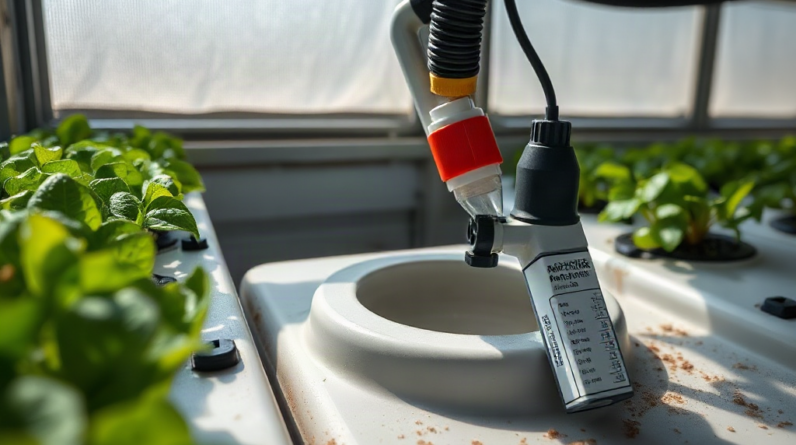
Another important factor is the nutrient solution used in hydroponics. Plants grown in these systems do not have access to soil, so they rely entirely on the nutrient mix provided by the gardener. It’s crucial to regularly check and adjust the nutrient solution’s pH and electrical conductivity (EC) levels to ensure optimal nutrient uptake. Using high-quality fertilizers that cater to the specific needs of the plants being grown can also make a significant difference in yield.
Understanding Light Requirements
Light is a vital component of hydroponic gardening, as it directly influences photosynthesis and overall plant health. The right type of light can lead to healthier plants and higher yields. LED grow lights are often preferred due to their efficiency and customizable light spectrum.
Many growers overlook the importance of light intensity and duration. Different plants have varying light needs; for example, leafy greens may thrive under lower light levels, while fruiting plants require more intense light. Adjusting the light distance and duration based on plant growth stages can optimize yields and minimize energy costs.
Additionally, the positioning of lights should be considered. Properly orienting lights can ensure even light distribution, reducing the chances of plants becoming leggy or unevenly grown. Regularly rotating plants can also help achieve uniform growth and maximize available light exposure.
Optimal Nutrient Solutions
The nutrient solution is the lifeblood of a hydroponic system. Plants rely on this solution for all their nutritional needs, making it crucial to maintain a balanced mix. A well-formulated nutrient solution can significantly boost growth rates and yields.
It’s essential to regularly monitor and adjust the pH and EC levels of the nutrient solution. Plants typically prefer a pH range of 5.5 to 6.5 for optimal nutrient uptake. Additionally, understanding the specific nutrient requirements of the plants being grown can help tailor the solution to their needs, ensuring that they receive the right balance of macronutrients and micronutrients.
Gardeners should also consider the timing of nutrient delivery. For instance, during the vegetative stage, plants may require higher nitrogen levels, while during flowering, phosphorus and potassium become more critical. Adjusting the nutrient mix accordingly can lead to better yields.
Effective Plant Spacing
Proper plant spacing is essential in hydroponic gardens to prevent overcrowding and ensure adequate airflow. When plants are spaced too closely, they can compete for light and nutrients, leading to stunted growth and lower yields.
Understanding the growth habits of different plants is key to determining optimal spacing. For instance, leafy greens may require less space than fruiting plants. Implementing a staggered planting pattern can maximize space while allowing sufficient room for each plant to thrive.
Additionally, regular pruning and maintenance can help manage plant size and spacing. Removing excess foliage can improve light penetration and airflow, further enhancing growth potential and overall yield.
Monitoring Environmental Conditions
Environmental conditions play a significant role in hydroponic gardening success. Factors such as temperature, humidity, and airflow can directly affect plant health and yield. Maintaining the right conditions can prevent diseases and promote optimal growth.
Temperature should be monitored closely, as most plants thrive within specific ranges. For example, leafy greens prefer cooler temperatures, while fruiting plants may require warmer conditions. Implementing fans or ventilation systems can help regulate temperature and improve airflow.
Humidity levels also need attention, as high humidity can lead to mold and mildew, while low humidity can cause plant stress. Using hygrometers to track humidity levels allows for timely adjustments, ensuring a healthy growing environment.
Choosing the Right Plant Varieties
Not all plants are equally suited for hydroponic systems, and selecting the right varieties can significantly influence yield outcomes. Fast-growing and high-yielding varieties are often best for hydroponic gardening.
Researching and selecting plants that thrive in hydroponic conditions can lead to better results. For instance, varieties of lettuce, herbs, and strawberries are popular choices due to their adaptability and growth rates. Additionally, understanding the growth habits and requirements of chosen varieties can help in planning the hydroponic system layout.
Experimenting with different varieties can also yield surprising results. Keeping a journal of growth performance can help identify which plants produce the best yields under specific conditions, allowing for continuous improvement in future growing cycles.
Further Reading
Authoritative Sources
- MedlinePlus
medlineplus.govConsumer-friendly medical and health information from the U.S. National Library of Medicine.
- National Institutes of Health
nih.govResearch-based health information and links to authoritative medical resources.
- Centers for Disease Control and Prevention
cdc.govOfficial public health guidance, prevention resources, and topic-specific recommendations.
- Mayo Clinic
mayoclinic.orgTrusted clinical guidance, symptom explainers, and treatment overviews.
- World Health Organization
who.intGlobal health guidance, fact sheets, and evidence-based public health information.
Frequently Asked Questions
What are the best lighting options for hydroponic gardens?
LED grow lights are highly recommended due to their energy efficiency and ability to provide the specific light spectrum that plants need.
How often should I change the nutrient solution?
It’s advisable to change the nutrient solution every two weeks to ensure optimal nutrient availability and prevent imbalances.
What is the ideal pH level for hydroponic systems?
The ideal pH level for most hydroponic plants is between 5.5 and 6.5, which promotes optimal nutrient uptake.
How can I prevent diseases in my hydroponic garden?
Maintaining good airflow, monitoring humidity levels, and regularly inspecting plants can help prevent diseases in hydroponic systems.
What are the best plants for hydroponic gardening?
Fast-growing plants such as lettuce, herbs, and strawberries are excellent choices for hydroponic gardening due to their adaptability.
Conclusion
Maximizing yield in hydroponic gardens is achievable through a combination of strategic practices, including optimizing lighting, nutrient solutions, plant spacing, and environmental conditions. By focusing on these key areas, gardeners can enhance their crop production significantly. Continuous monitoring and adjustments, along with selecting suitable plant varieties, will further contribute to successful hydroponic gardening outcomes. As you implement these hydroponic garden yield tips, remember that experimentation and adaptation are crucial to finding the best methods for your specific setup.