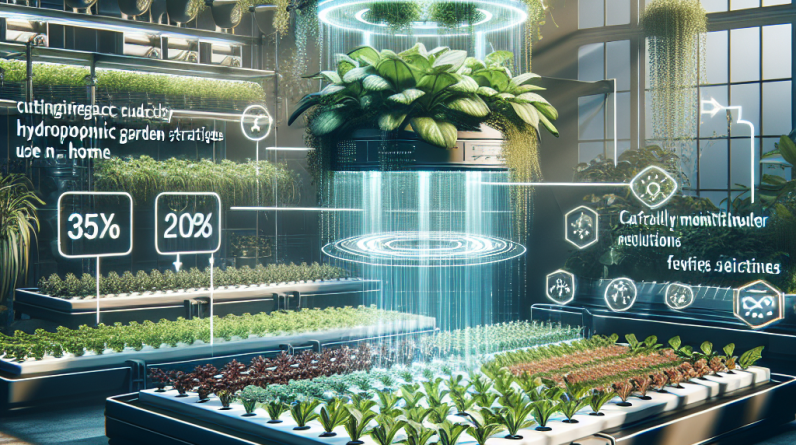
Many aspiring urban gardeners underestimate the challenges associated with hydroponics, often leading to frustration or wasted resources. A frequent misstep is over-investing in high-tech equipment without first experimenting with simpler, more affordable options. It’s crucial to evaluate your available space, the plants you want to grow, and your skill level before diving into a more complex setup. This approach not only saves money but also helps you learn the fundamentals of hydroponics without overwhelming yourself with advanced technology.
Moreover, the environmental factors in your urban setting can significantly influence the type of system you choose. For instance, limited sunlight may require different lighting solutions for your plants, affecting your overall costs. Therefore, understanding these dynamics will help you make informed decisions that align with your budget and gardening goals.
Choosing the Right Hydroponic System
When starting your hydroponic garden, selecting the right system is paramount. There are several options available, each with its own advantages and disadvantages. The most common systems include Deep Water Culture (DWC), Nutrient Film Technique (NFT), and Ebb and Flow systems. For budget-conscious beginners, DWC is often the most straightforward and cost-effective choice, requiring minimal components and maintenance.
However, consider that each system has its unique requirements for water and nutrient management. DWC, for instance, relies heavily on maintaining adequate oxygen levels in the nutrient solution, which may require additional air pumps. Conversely, NFT systems, while efficient in nutrient delivery, can be less forgiving to beginners due to the need for consistent flow and monitoring. Therefore, weigh your comfort level with each system against your budget and available time for maintenance. It’s often wise to start small with a simple system before experimenting with more complex setups.
Essential Materials for a Budget Setup
Building a low-cost hydroponic setup doesn’t mean you need to compromise on quality. Many effective systems can be created using everyday materials that are both inexpensive and readily available. For example, plastic storage containers can serve as reservoirs or growing trays, and net pots can be easily fashioned from recycled materials. Nutrient solutions can often be found at gardening stores or online at reasonable prices, and you can even consider DIY nutrient recipes to save more.
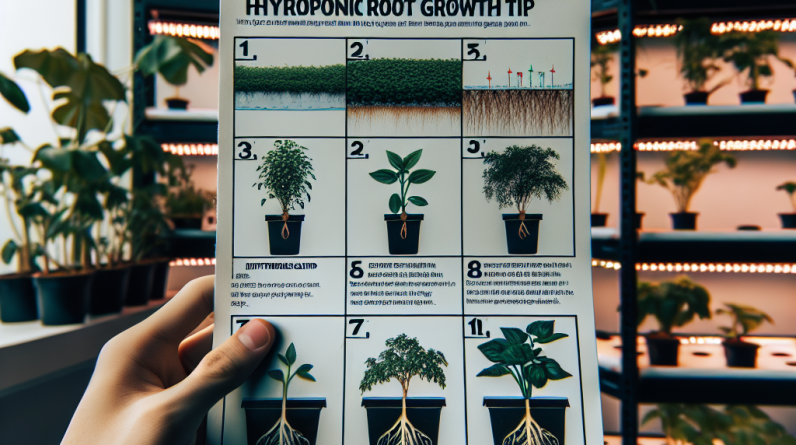
Prioritize investing in a good air pump and air stones, as oxygenation is critical for root health. Additionally, using LED grow lights can be a cost-effective way to ensure your plants receive adequate light, especially if natural sunlight is limited. However, be mindful of your electricity costs and calculate the return on investment for any equipment you purchase. Balancing initial material costs with ongoing energy expenses is key to maintaining a sustainable hydroponic garden without overspending.
Maximizing Space and Light
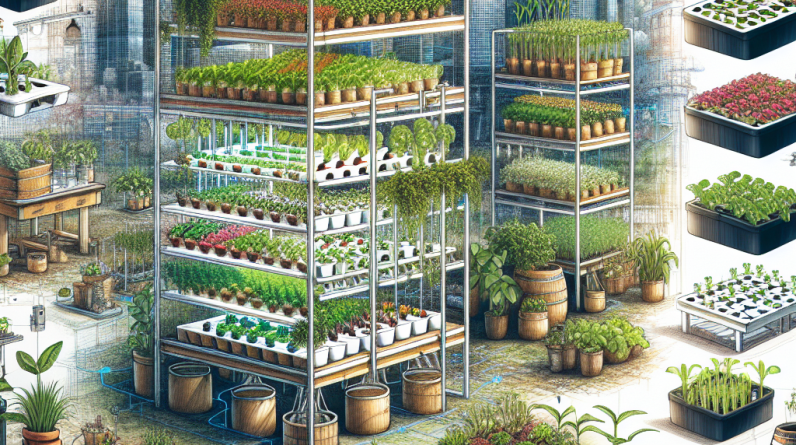
Urban gardening often comes with spatial constraints, making efficient use of your available area essential. Vertical gardening techniques can help you maximize your growing space by utilizing wall-mounted systems or stacked planters. Additionally, consider the orientation of your setup in relation to sunlight exposure. If you’re in a particularly shaded area, investing in grow lights may be necessary to supplement natural light.
Take the time to assess your environment and optimize your layout for both space and light. Arrange plants according to their light requirements, placing taller plants where they won’t overshadow shorter ones. This not only enhances growth but also creates a more visually appealing arrangement. Remember, the goal is to create an efficient system that works with your urban space rather than against it, enabling you to grow a diverse range of plants even in limited conditions.
Common Mistakes to Avoid
Many first-time hydroponic gardeners fall into similar traps that can hinder their success. One common mistake is overcomplicating the system from the start. Beginners often feel the need to implement sophisticated features like automated nutrient dosing or complex lighting schedules, which can lead to confusion and increased costs. Instead, simplify your approach; focus on mastering the basics, such as maintaining proper pH levels and nutrient concentrations.
Another frequent pitfall is neglecting regular monitoring of plants and systems. Establishing a routine for checking nutrient levels, water quality, and plant health is essential for ensuring a thriving garden. It can be easy to overlook these tasks, especially if you’re busy, but consistent attention to your plants will yield better results. Prioritize learning and adapting your care techniques based on real-time observations rather than relying solely on theoretical knowledge.
Further Reading
Related Resources
- Hydroponic Gardening Setup: Essential Steps for Thriving Indoor Plants
- Grow Room Hydroponics: Essential Equipment and Setup Steps for Optimal Plant Growth
- Home Hydroponic Gardening Ideas: Practical Methods for Growing Fresh Produce Indoors
- Hydroponic Growing Tent: Essential Equipment and Setup Steps for Thriving Indoor Gardens
Frequently Asked Questions
What is the cheapest hydroponic system to start with?
The Deep Water Culture (DWC) system is often the most affordable and straightforward option for beginners.
Can I use tap water for hydroponics?
Yes, but ensure you test and adjust the pH and nutrient levels, as tap water can vary significantly in quality.
How often should I change the water in my hydroponic system?
Typically, you should change the water every two weeks, but monitor the nutrient levels and plant health for adjustments.
Do I need special lights for my hydroponic garden?
While natural sunlight can suffice, grow lights are recommended to ensure consistent growth, especially in low-light conditions.
What plants grow best in hydroponic systems?
Lettuce, herbs, and strawberries are popular choices for beginners due to their rapid growth and lower maintenance needs.
Conclusion
Successfully establishing a low-cost hydroponic setup in your urban environment hinges on careful planning and a willingness to learn. Focus on selecting the right system that aligns with your budget and space constraints, while being mindful of common mistakes that can derail your efforts. By prioritizing essential materials and optimizing your growing conditions, you can cultivate a productive garden that thrives without breaking the bank. Take your time, experiment gradually, and enjoy the rewarding experience of growing your own plants in a sustainable and innovative way.
Related Content
- Beginner’s Guide to Hydroponic Gardening
- Growing Hydroponic Vegetables: Unlocking the Secrets of Soil-less Farming
- 10 Effective Tips for the Best Low Cost Hydroponic System in 2025
- Hydroponic Horticulture: Changing Crop Yields as well as Lasting Food Manufacturing
- Grow Nutritious Food with Minimal Space