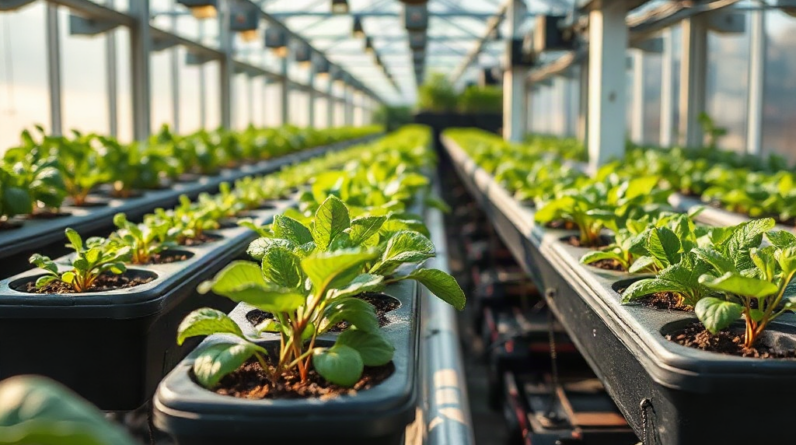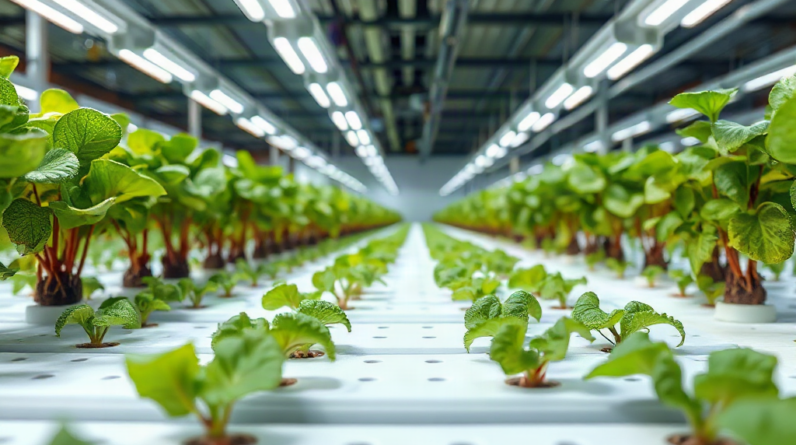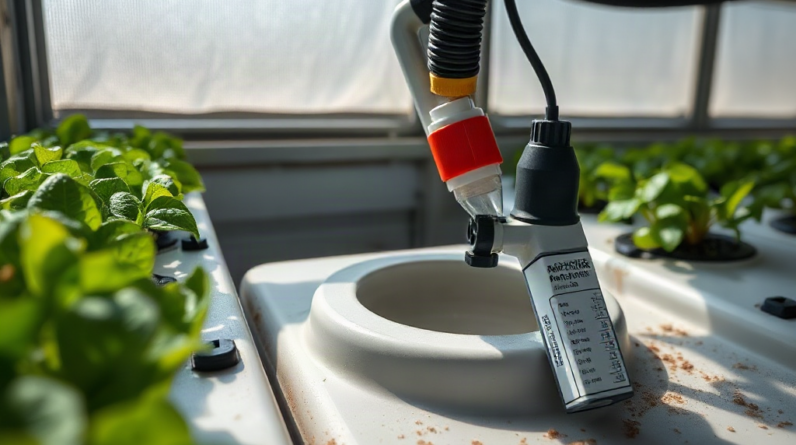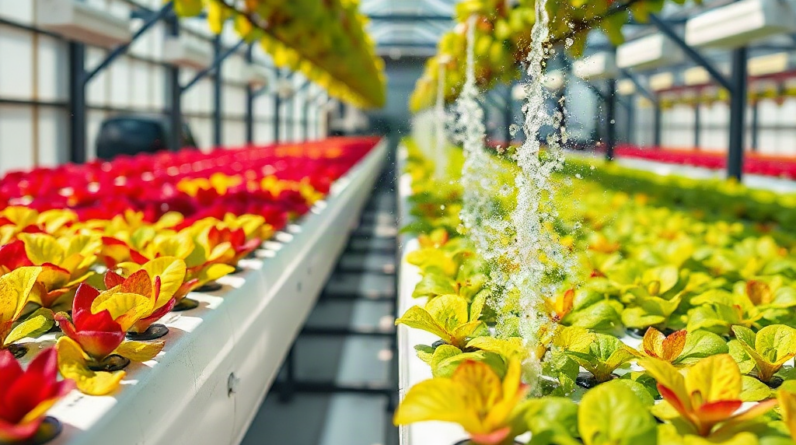

Understanding the key components of an automated hydroponic system is essential for successfully implementing it in your home or garden. Common elements include grow lights, pumps, reservoirs, and nutrient solutions. Each component plays a crucial role in ensuring plants receive the necessary conditions for growth, including adequate light, moisture, and nutrients. Neglecting any of these elements can lead to poor plant health or crop failure.
One common mistake when starting with an automated hydroponic system is underestimating the importance of monitoring and adjusting environmental conditions. Factors such as light intensity, temperature, and humidity can significantly impact plant growth. Therefore, it’s vital to invest in quality sensors and controllers to maintain optimal conditions. Additionally, familiarizing yourself with the specific needs of the plants you’re growing will help prevent issues related to nutrient deficiencies or excesses.
Key Components of Automated Hydroponic Systems
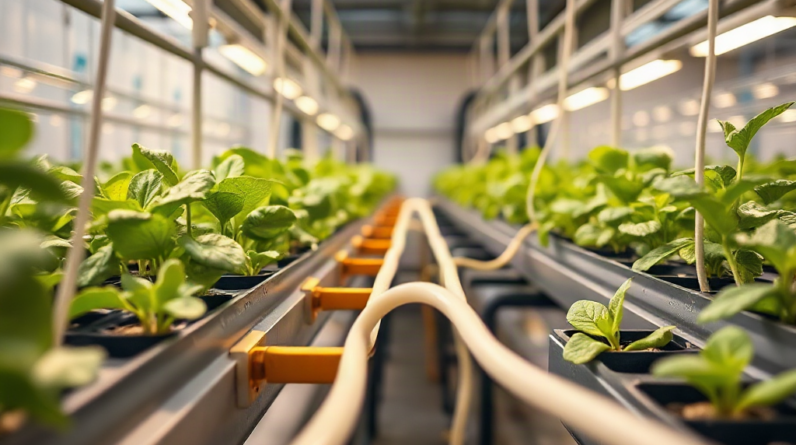
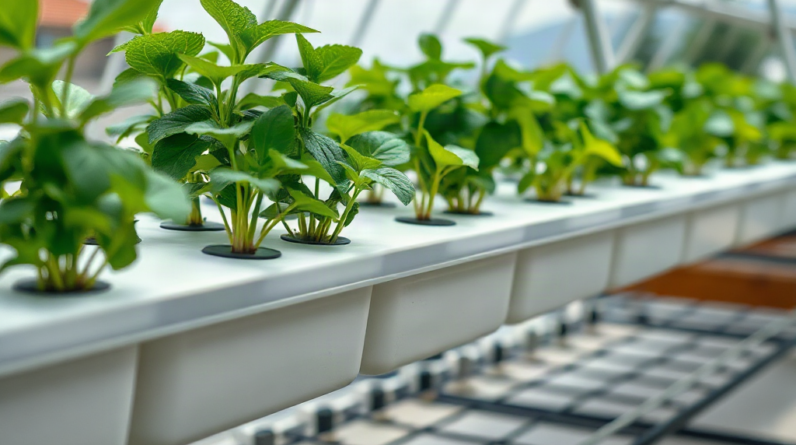
The core components of an automated hydroponic system include a nutrient reservoir, a pump, growing medium, and grow lights. The nutrient reservoir holds the water and nutrients required for plant growth, while the pump circulates the nutrient solution to the plants. Some systems also use a growing medium, such as rock wool or clay pellets, to support plant roots. Grow lights are essential for providing the necessary light spectrum for photosynthesis, especially in indoor environments.
Investing in high-quality components is critical for the success of your automated hydroponic system. For example, reliable pumps and timers will ensure consistent nutrient delivery, while adequate grow lights can prevent issues related to insufficient light. Additionally, consider the size of your system and the types of plants you wish to grow, as this will influence the specifications of each component.
It’s also important to regularly check and maintain these components. For instance, pumps should be inspected for clogs, and nutrient solutions should be tested for pH and electrical conductivity levels. Neglecting these tasks can lead to system failures and reduced plant health.
Types of Automated Hydroponic Systems
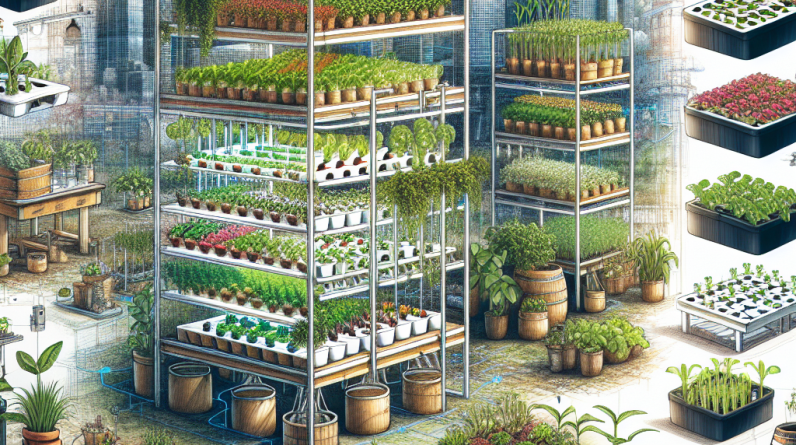
There are several types of automated hydroponic systems, including Nutrient Film Technique (NFT), Deep Water Culture (DWC), and Ebb and Flow systems. Each type has its own advantages and is suitable for different growing conditions and plant types. For instance, NFT systems are ideal for leafy greens, while DWC is great for larger plants like tomatoes.
Choosing the right system depends on your specific growing goals and available space. Some systems are more complex and require more maintenance, while others are more straightforward and beginner-friendly. Researching the pros and cons of each type will help you make an informed decision on which system to implement.
Additionally, consider how much automation you want. Some systems allow for complete automation of nutrient delivery and environmental controls, while others may require more manual monitoring and adjustments. Assessing your level of commitment and experience will guide your choice.
Common Mistakes to Avoid
One of the most common mistakes in automated hydroponic gardening is not calibrating equipment correctly. For instance, pH meters and nutrient concentration meters should be calibrated regularly to ensure accuracy. Inaccurate readings can lead to nutrient imbalances and poor plant health.
Another frequent error is overwatering or underwatering plants. Automated systems may fail due to pump malfunctions or incorrect timer settings, leading to plant stress. Regularly checking the system and adjusting settings based on plant needs can mitigate these risks.
Lastly, many growers fail to account for the growth stage of their plants. Different stages require varying nutrient concentrations and light intensities. Being aware of these changing needs will help maintain optimal growth conditions and prevent deficiencies.
Benefits of Using Automated Hydroponic Systems
Automated hydroponic systems offer numerous benefits, including increased efficiency and reduced labor. By automating nutrient delivery and environmental controls, growers can save time and effort, allowing for more focus on plant care and troubleshooting.
Additionally, these systems often lead to higher yields compared to traditional gardening methods. The controlled environment allows for faster growth cycles and the ability to grow crops year-round, regardless of external weather conditions. This is particularly advantageous for urban dwellers with limited outdoor space.
Moreover, automated systems can significantly reduce water usage by recycling nutrient solutions. This makes them not only more sustainable but also cost-effective in the long run. Understanding these advantages can motivate more growers to consider switching to hydroponics.
Further Reading
Authoritative Sources
- MedlinePlus
medlineplus.govConsumer-friendly medical and health information from the U.S. National Library of Medicine.
- National Institutes of Health
nih.govResearch-based health information and links to authoritative medical resources.
- Centers for Disease Control and Prevention
cdc.govOfficial public health guidance, prevention resources, and topic-specific recommendations.
- Mayo Clinic
mayoclinic.orgTrusted clinical guidance, symptom explainers, and treatment overviews.
- World Health Organization
who.intGlobal health guidance, fact sheets, and evidence-based public health information.
Frequently Asked Questions
What is the main advantage of using an automated hydroponic system?
The main advantage is increased efficiency in growing plants without soil, allowing for better control over nutrients and environmental conditions.
How much does an automated hydroponic system cost?
Costs can vary widely based on the system’s complexity and size, ranging from a few hundred to several thousand dollars.
Can I use an automated hydroponic system indoors?
Yes, automated hydroponic systems are ideal for indoor gardening, as they can be equipped with grow lights and environmental controls.
What types of plants grow best in hydroponic systems?
Leafy greens, herbs, and certain fruiting plants like tomatoes and peppers typically thrive in hydroponic setups.
How often should I check my nutrient solution?
It’s recommended to check your nutrient solution at least once a week to ensure pH and nutrient levels remain within optimal ranges.
Conclusion
In summary, automated hydroponic systems present an innovative approach to modern gardening, enabling greater control over plant growth and resource efficiency. Understanding the key components, types, and common mistakes can help you successfully implement such a system. Prioritize proper monitoring and maintenance to ensure optimal conditions for your plants. By leveraging the advantages of automation, you can enjoy a productive and sustainable gardening experience.