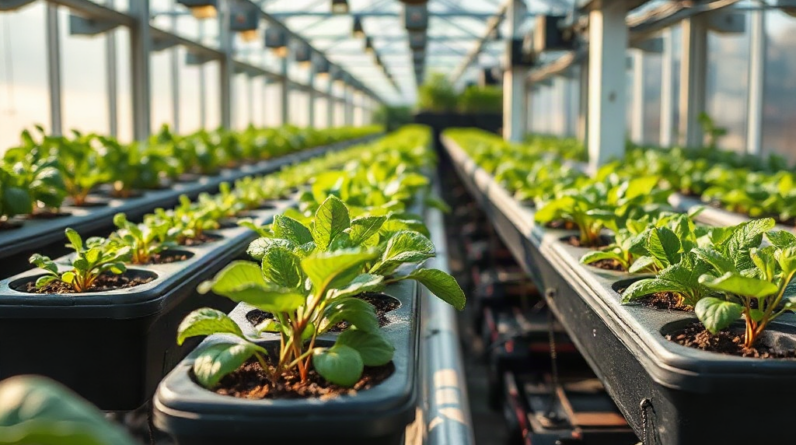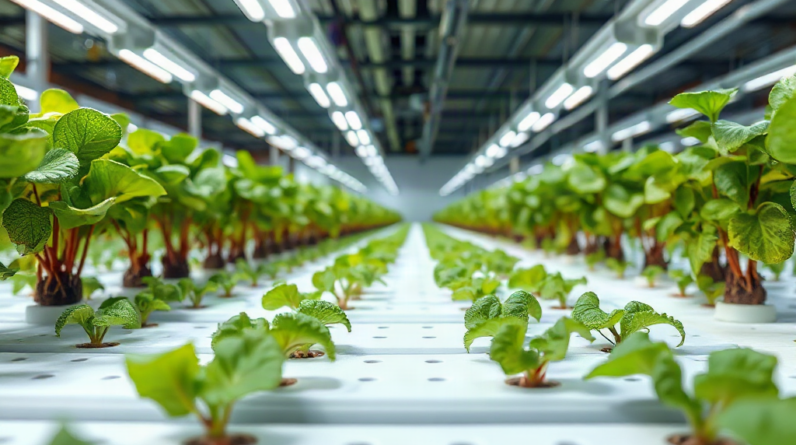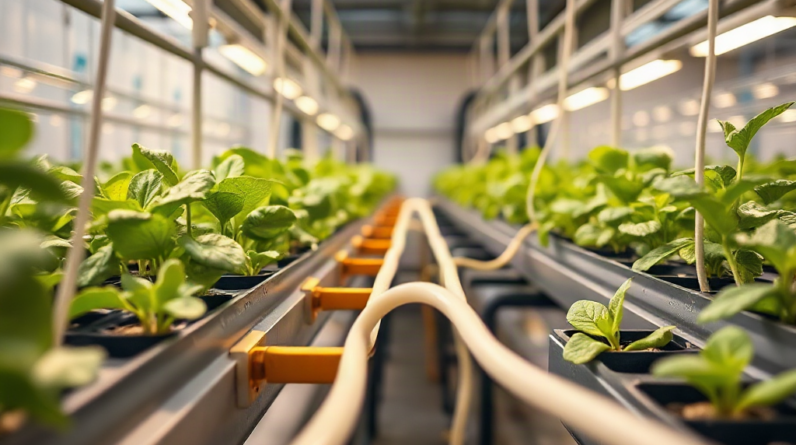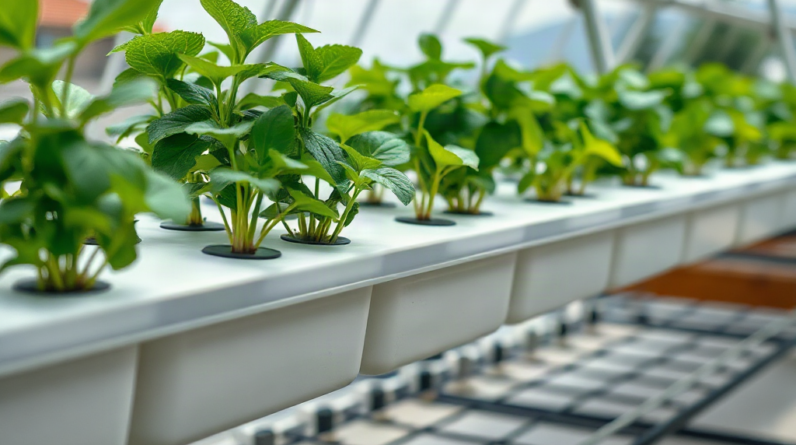
An indoor hydroponic greenhouse provides a controlled environment to grow plants without soil, allowing for efficient nutrient delivery and optimal growth conditions. By utilizing hydroponic systems, growers can achieve faster plant growth and higher yields compared to traditional soil gardening. Key components include nutrient solutions, growth media, and environmental controls such as lighting, temperature, and humidity management.
One of the primary advantages of an indoor hydroponic greenhouse is the ability to control environmental factors, which significantly reduces the risk of pests and diseases that commonly affect outdoor gardens. This controlled setting also allows for year-round production, independent of external weather conditions. However, it requires careful planning and management to ensure that all components work harmoniously to provide the plants with adequate nutrients, light, and moisture.
Key Components of Indoor Hydroponic Greenhouses
The essential components of an indoor hydroponic greenhouse include the hydroponic system, grow lights, and climate control systems. The hydroponic system, such as nutrient film technique (NFT) or deep water culture (DWC), determines how plants receive nutrients and water. Grow lights are crucial for photosynthesis, especially in environments with limited natural light.
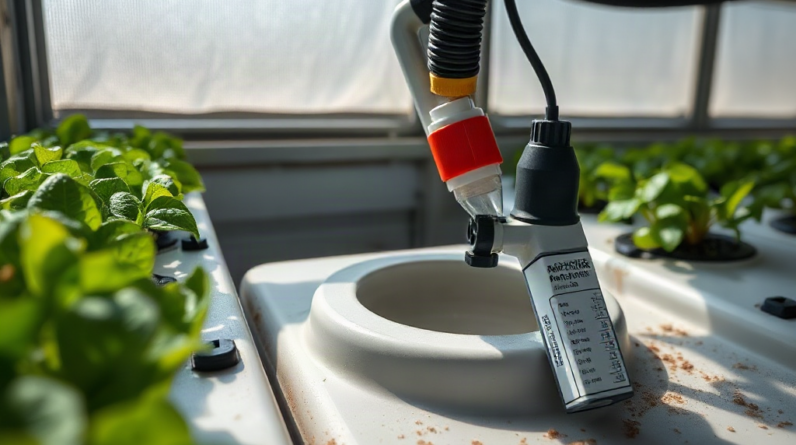
Additionally, maintaining optimal temperature and humidity levels is vital for plant health. Equipment like fans, heaters, and humidifiers help create a stable environment. Growers must also monitor nutrient levels in the solution to avoid deficiencies or toxicities that can harm plant growth.
Types of Hydroponic Systems
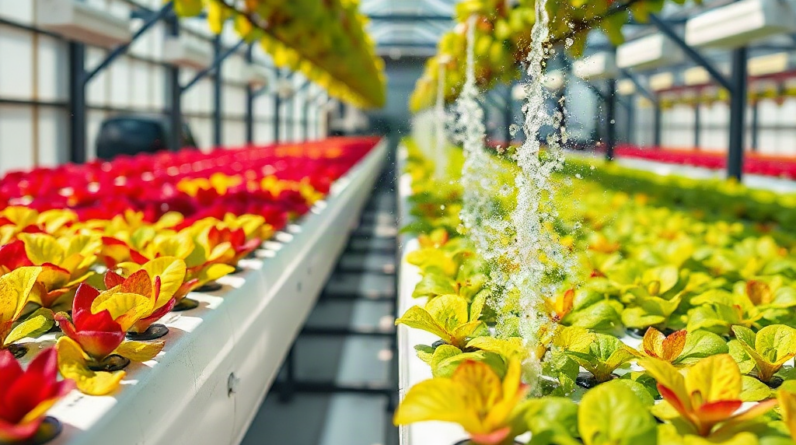
There are several types of hydroponic systems suitable for indoor greenhouses, each with its own advantages. Nutrient Film Technique (NFT) involves a thin film of nutrient solution flowing over the roots of plants, providing a constant supply of nutrients. Deep Water Culture (DWC) suspends plant roots in a nutrient-rich oxygenated water solution, promoting rapid growth.
Other systems include aeroponics, where roots are misted with nutrients, and Ebb and Flow systems, which periodically flood the grow bed with nutrient solution and then drain it away. Choosing the right system depends on the type of plants being grown and the grower’s experience level.
Environmental Control Techniques
Effective environmental control is critical in an indoor hydroponic greenhouse. Temperature should be maintained between 65°F and 80°F (18°C to 27°C) for most plants. Using thermostats and environmental sensors can help monitor and adjust conditions as needed.
Humidity levels should also be controlled, ideally between 40% and 60%, to prevent mold and mildew while ensuring plants can transpire effectively. Ventilation is essential to ensure fresh air circulation, which helps manage temperature and humidity levels. Automated systems can optimize these factors, reducing the workload on growers.
Common Challenges and Solutions
Growers of indoor hydroponic greenhouses often face challenges such as nutrient imbalances, pest infestations, and algae growth. Regularly testing the nutrient solution and adjusting concentrations can prevent deficiencies and toxicities. Integrated Pest Management (IPM) strategies can effectively manage pests without harmful chemicals.
Algae growth can be minimized by ensuring proper light management and maintaining cleanliness in the greenhouse. Implementing these practices can lead to healthier plants and a more productive growing environment.
Further Reading
Authoritative Sources
- Hydroponics Resource Center
hydroponics.comA comprehensive resource for hydroponic gardening techniques and systems
- National Center for Biotechnology Information
ncbi.nlm.nih.govResearch articles and studies on hydroponics and plant growth
Frequently Asked Questions
What plants are best suited for indoor hydroponic greenhouses?
Leafy greens like lettuce, herbs such as basil, and small fruiting plants like strawberries thrive in hydroponic systems.
How much space is needed for an indoor hydroponic greenhouse?
The space required depends on the number of plants and the chosen hydroponic system, but a small setup can fit in a few square feet.
What are the startup costs for an indoor hydroponic greenhouse?
Startup costs vary but typically range from a few hundred to several thousand dollars, depending on equipment and system complexity.
How often should I check nutrient levels in my hydroponic system?
Nutrient levels should be checked at least once a week to ensure optimal plant health and growth.
Can I grow flowers in an indoor hydroponic greenhouse?
Yes, many flowers, including orchids and geraniums, can be successfully grown in hydroponic systems.
Conclusion
Creating an indoor hydroponic greenhouse requires careful planning and management of components such as hydroponic systems, lighting, and environmental controls. By understanding the key elements and common challenges, growers can optimize their setups for successful plant production. Prioritizing the right system, maintaining balanced nutrient levels, and ensuring proper environmental conditions will lead to healthier plants and increased yields. Consider investing in automation and monitoring tools to streamline operations and enhance the growing experience.