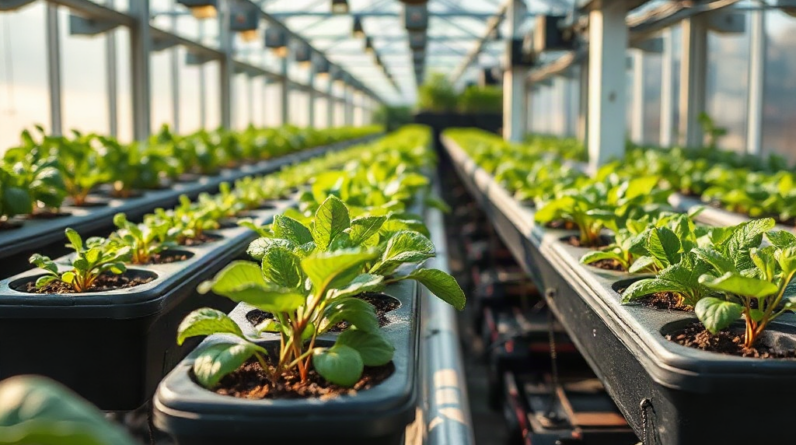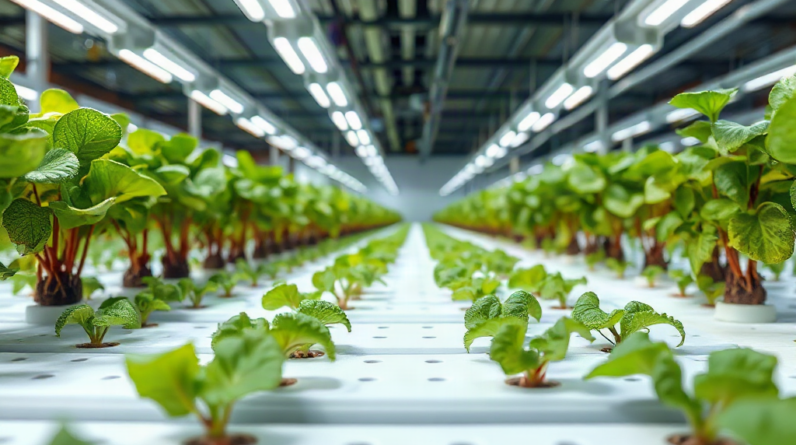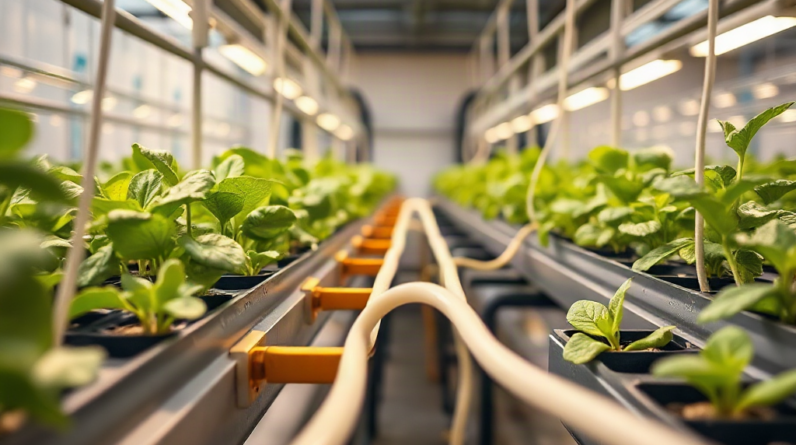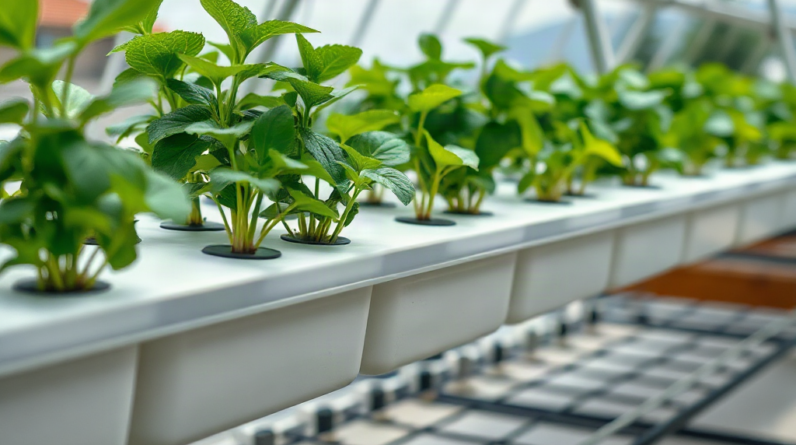

A home hydroponic vegetable system enables you to cultivate fresh vegetables indoors without traditional soil. By using a nutrient-rich water solution, this method offers an efficient way to grow a variety of plants while conserving space and resources. To succeed with a home hydroponic setup, you need to pay attention to factors such as light, nutrient delivery, and plant selection.
When establishing your hydroponic garden, selecting the right system is crucial. Options like nutrient film technique (NFT), deep water culture (DWC), or aeroponics each have unique advantages. For instance, DWC is known for its simplicity and effectiveness, making it ideal for beginners. However, it’s essential to consider your available space and the types of vegetables you wish to grow, as these factors will influence the system you choose.
Choosing the Right Hydroponic System
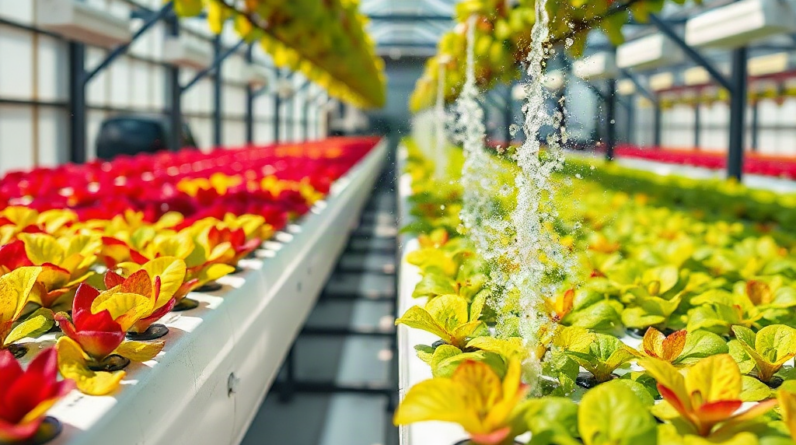
Choosing the right hydroponic system is the first step in establishing a successful indoor garden. Each type of system, such as aeroponics, DWC, or drip systems, offers distinct advantages and challenges. For instance, aeroponics uses mist to deliver nutrients, which can accelerate growth rates, while DWC provides roots with direct access to oxygen and nutrients.
When selecting a system, consider your space limitations and the amount of time you can dedicate to maintenance. Some systems require more monitoring and adjustments than others, so ensure you choose one that fits your lifestyle. Additionally, think about the types of vegetables you want to grow, as different systems may be better suited for specific plants.
Essential Components for Your System
Every home hydroponic vegetable system requires several essential components to function optimally. These include a reservoir for the nutrient solution, a pump for water circulation, and a growing medium to support plant roots. Common growing mediums include rock wool, clay pellets, or coconut coir.
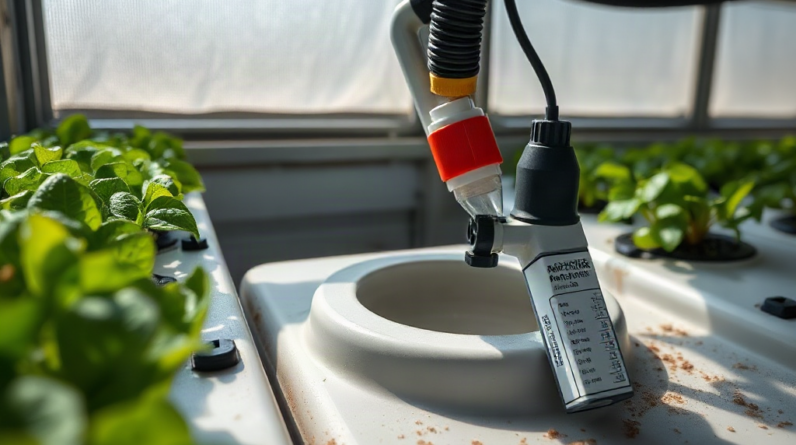
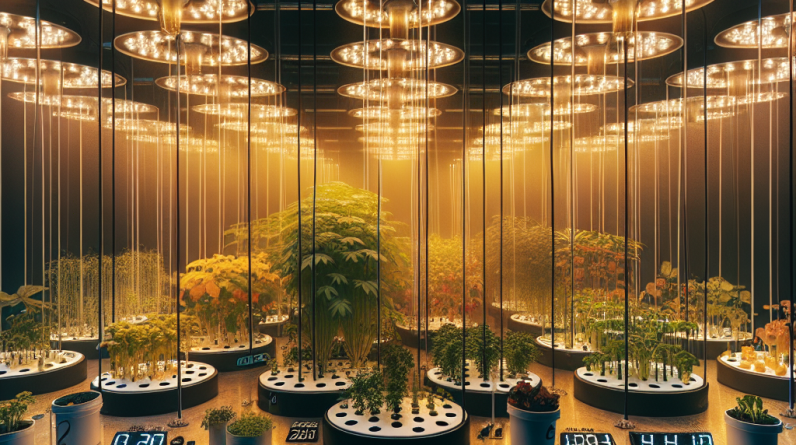
Maintaining proper pH levels and nutrient concentrations is vital for healthy plant growth. Regularly testing your water and adjusting the nutrient solution as needed will prevent deficiencies that can hinder growth. Furthermore, ensuring adequate lighting, especially if you are growing indoors, is critical; consider using LED grow lights to provide the necessary spectrum for your plants.
Selecting Vegetables for Hydroponics
Not all vegetables thrive equally well in a hydroponic environment. Leafy greens like lettuce, spinach, and herbs such as basil and cilantro are popular choices due to their rapid growth rates and minimal space requirements. Additionally, some fruiting plants, like tomatoes and peppers, can also be successfully grown hydroponically.
When selecting vegetables, consider factors like growth time, space requirements, and your personal preferences. It’s also important to choose varieties that are known to perform well in hydroponic systems. Starting with easy-to-grow plants will help you gain confidence before moving on to more challenging varieties.
Common Mistakes to Avoid
Many beginners encounter pitfalls when starting their home hydroponic vegetable systems. One common mistake is neglecting to monitor nutrient levels and pH, which can lead to nutrient burn or deficiencies. Additionally, overwatering or underwatering can damage plant roots, so it’s crucial to maintain a balanced moisture level.
Another mistake is improperly spacing plants, which can cause overcrowding and limit growth potential. Ensure you follow recommended spacing guidelines for the specific vegetables you are growing. Lastly, don’t forget to invest in quality equipment; cutting corners on pumps or lights may lead to long-term issues that could jeopardize your garden.
Frequently Asked Questions
What is the fastest way to improve Table of Contents without making beginner mistakes?
The fastest way to improve Table of Contents is to simplify the process and control one variable at a time. Start with the most important baseline: define the goal, identify the main failure point, and test one change before making another. Keep short notes so you can connect the outcome to the adjustment you made. This prevents guesswork and helps you build a repeatable method instead of chasing random fixes.
What should you check first when Table of Contents is not working well?
The fastest way to improve Table of Contents is to simplify the process and control one variable at a time. Start with the most important baseline: define the goal, identify the main failure point, and test one change before making another. Keep short notes so you can connect the outcome to the adjustment you made. This prevents guesswork and helps you build a repeatable method instead of chasing random fixes.
What common mistakes make Table of Contents harder than it needs to be?
The fastest way to improve Table of Contents is to simplify the process and control one variable at a time. Start with the most important baseline: define the goal, identify the main failure point, and test one change before making another. Keep short notes so you can connect the outcome to the adjustment you made. This prevents guesswork and helps you build a repeatable method instead of chasing random fixes.
Conclusion
Establishing a home hydroponic vegetable system can be a rewarding experience, yielding fresh produce year-round. Prioritize selecting the right system and components, monitor nutrient levels and pH, and choose suitable vegetables to maximize your success. By avoiding common mistakes and staying informed, you can enjoy a thriving indoor garden that enhances your culinary endeavors.