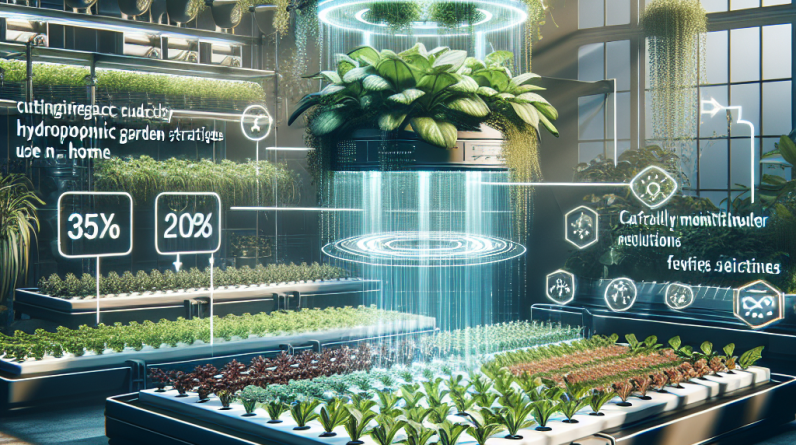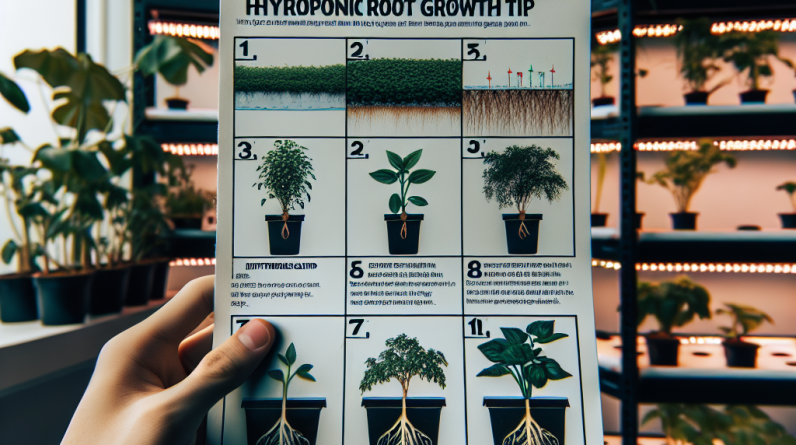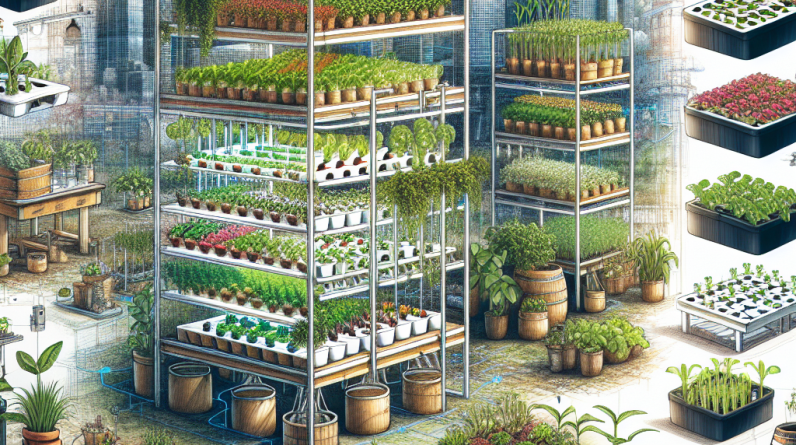
Understanding the specific needs of plants in a hydroponic setup is vital. Each plant species may require different moisture levels and nutrient concentrations. By implementing a system that can automatically adjust these factors, growers can significantly reduce the risk of human error and improve overall plant health. Regular monitoring and adjustments based on plant growth stages can lead to more efficient water use, ultimately enhancing productivity.
Types of Hydroponic Watering Systems
Various hydroponic watering systems cater to different growing methods and plant types. Drip irrigation systems deliver precise amounts of water directly to the roots, minimizing waste and ensuring each plant receives adequate moisture. Nutrient film technique (NFT) is another effective method where a thin film of nutrient solution flows over the roots, providing constant access to water and nutrients.
Another option is the aeroponic system, which misting the roots with a nutrient solution, promoting rapid growth and efficient water use. Each system has its advantages and disadvantages, so selecting one that aligns with your specific growing goals and conditions is essential. Understanding the intricacies of these systems can help you make informed decisions that will enhance your hydroponic gardening experience.
Benefits of Efficient Watering
Implementing an efficient hydroponic watering system offers numerous benefits that extend beyond basic plant care. It allows for better control of nutrient delivery and minimizes water usage, which is crucial in areas with water scarcity. Efficient systems can significantly reduce operational costs associated with water and fertilizers while promoting healthier plants.
Furthermore, reducing water waste leads to environmental sustainability, making hydroponic gardening not only a practical choice for growers but also an eco-friendly one. By maximizing resource use and minimizing waste, growers can contribute positively to their local ecosystems while enjoying the fruits of their labor.
Common Mistakes to Avoid
Even with the best systems in place, common mistakes can hinder the effectiveness of a hydroponic watering system. Overwatering is one of the most frequent issues, leading to root rot and other detrimental effects on plant health. Ensuring proper drainage and moisture monitoring can help mitigate this risk.
Another mistake is neglecting to adjust nutrient concentrations based on plant growth stages. As plants mature, their nutrient needs change, and failing to adapt can lead to deficiencies or toxicities. Regularly assessing plant health and making necessary adjustments is crucial for maintaining an efficient watering system.
Monitoring Water Quality
Water quality is a critical aspect of any hydroponic watering system. Regular testing for pH, electrical conductivity (EC), and dissolved oxygen levels can provide valuable insights into the health of your system. Maintaining optimal pH levels (typically between 5.5 and 6.5 for most plants) ensures that nutrients are accessible to the roots.
Additionally, monitoring EC levels helps determine the nutrient concentration in the water. Keeping these levels within the proper range can prevent nutrient burn and ensure plants receive the right amount of nourishment. Implementing a routine monitoring schedule can help maintain the efficiency of your hydroponic watering system and promote healthy plant growth.
Further Reading
Related Resources
- Hydroponic Growing Media: Choosing the Right Types for Optimal Plant Health
- Hydroponic Planter System: Key Components and Setup Methods for Successful Growth
- Hydroponic Germination Techniques: Effective Methods for Healthy Seedling Growth
- Hydroponic Grow Light Setup: Essential Components for Optimal Plant Growth
Frequently Asked Questions
What is an efficient hydroponic watering system?
An efficient hydroponic watering system effectively delivers nutrients and moisture to plants, optimizing growth while minimizing waste.
How does drip irrigation work in hydroponics?
Drip irrigation delivers water directly to the plant roots through a network of tubing, reducing water waste and ensuring adequate moisture levels.
Why is monitoring water quality important?
Monitoring water quality ensures optimal pH and nutrient levels, preventing deficiencies and promoting healthy plant growth.
What common mistakes should I avoid in hydroponics?
Common mistakes include overwatering, neglecting nutrient adjustments, and failing to monitor water quality, all of which can harm plant health.
What are the benefits of using an efficient watering system?
Benefits include reduced water waste, lower operational costs, better control of nutrient delivery, and improved plant health.
Conclusion
In closing, implementing an efficient hydroponic watering system is vital for ensuring optimal plant health and maximizing yields. By understanding the various types of systems available, monitoring water quality, and avoiding common mistakes, growers can significantly enhance their hydroponic gardening experience. Prioritizing efficient watering practices not only benefits individual plants but also contributes to environmental sustainability.