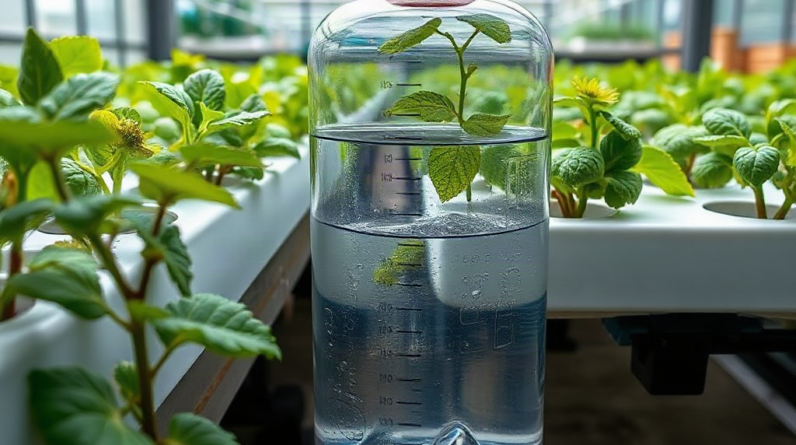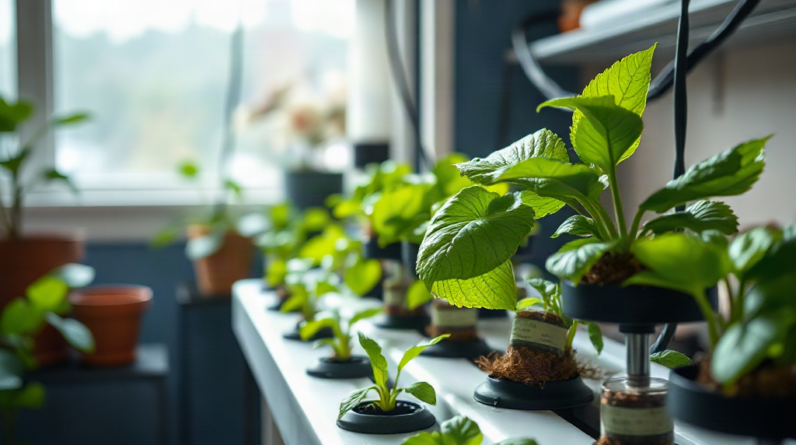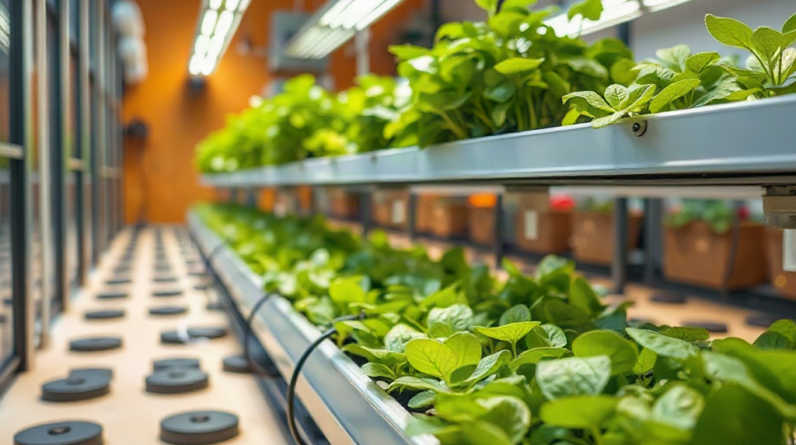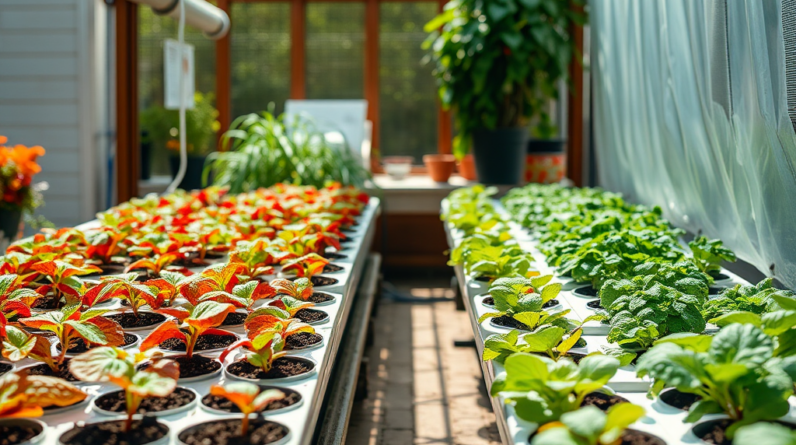
Many gardeners mistakenly believe that hydroponic gardening is overly complex and difficult to manage. However, this is not the case; many modern hydroponic systems are designed with user-friendliness in mind, allowing both beginners and experienced gardeners to cultivate plants with ease. Moreover, the notion that hydroponics yields inferior crops compared to traditional soil gardening is unfounded. In fact, hydroponically grown plants can be just as nutritious, if not more so, than their soil-grown counterparts.
Another common myth is that hydroponics requires constant attention and monitoring. While it’s true that some systems need regular checks, many setups can be automated to reduce the workload. This misconception can deter potential gardeners from exploring hydroponics, which can be a highly rewarding and efficient method of growing plants.
[smartvidpro_video]
Myth 1: Hydroponics Is Too Complicated
Many people believe that hydroponic systems are incredibly complex and difficult to manage, which discourages them from trying this gardening method. In reality, there are numerous types of hydroponic systems available, ranging from simple setups like Kratky methods to more advanced systems like nutrient film techniques. Each system has varying levels of complexity, and many are designed specifically for beginners.
When starting with hydroponics, it’s essential to choose a system that fits your level of expertise and commitment. Basic setups can be quite straightforward, often requiring just a few components and minimal maintenance. By understanding the available options, gardeners can select a system that meets their needs without feeling overwhelmed.
Myth 2: Hydroponic Plants Are Less Nutritious
Another prevalent myth is that hydroponically grown plants are less nutritious than those grown in soil. Research has shown that hydroponically grown vegetables can have comparable, if not superior, nutritional profiles. The key factor lies in the nutrient solutions used in hydroponic systems, which can be tailored to provide optimal nutrition for plants.
Moreover, controlling the growing environment in hydroponics allows for ideal conditions that can enhance growth and nutrient uptake. This means that hydroponic systems can produce high-quality, nutrient-rich crops that rival traditional gardening methods.
Myth 3: Hydroponics Is Only for Commercial Growers
Some believe that hydroponics is exclusively for commercial operations, but this is far from the truth. Home gardeners can successfully utilize hydroponic systems to grow a variety of plants, including herbs, vegetables, and even fruits. In fact, many hobbyists find hydroponics to be a space-efficient solution for urban gardening.
Moreover, with the rise of DIY hydroponic kits and readily available resources online, it’s easier than ever for home gardeners to experiment with hydroponics. This accessibility allows individuals to enjoy the benefits of hydroponic gardening without needing a commercial setup.
Myth 4: Hydroponics Requires Constant Monitoring
While some hydroponic systems do need regular monitoring, advancements in technology have made it possible to automate many aspects of hydroponic gardening. Automated systems can regulate nutrient delivery, pH levels, and even lighting, significantly reducing the amount of time and effort required to maintain a healthy garden.
This misconception often leads potential gardeners to believe that hydroponics is too labor-intensive. In reality, after the initial setup, many systems can run with minimal intervention, allowing gardeners to enjoy the fruits of their labor without constant oversight.
Further Reading
Authoritative Sources
- USDA National Institute of Food and Agriculture
nifa.usda.govResearch and extension resources related to agriculture, plants, soil, and food systems
- Extension Foundation Gardening Resources
extension.orgUniversity extension education resources for practical gardening and home agriculture topics
- USDA Natural Resources Conservation Service
nrcs.usda.govSoil, water, conservation, and land management resources for practical growing decisions
Conclusion
In summary, debunking these common hydroponic gardening myths reveals that this method is accessible, efficient, and capable of producing high-quality crops. By understanding the realities of hydroponics, gardeners can make informed decisions and embrace this innovative growing technique. Whether you’re a beginner or an experienced gardener, hydroponics offers a unique opportunity to cultivate plants in a controlled environment, maximizing yield and minimizing space.
Related Content
- How to Grow Hydroponic Strawberries for Sweet Success
- Choosing a Reservoir Size for Hydroponic Vegetables With Crop Load and Water-Use Checks
- How to Create a Hydroponic Garden Plan: Essential Steps and Considerations
- The Secret to Thriving Plants Without Soil
- Choosing Between Indoor and Outdoor Hydroponics: Key Factors and Practical Considerations