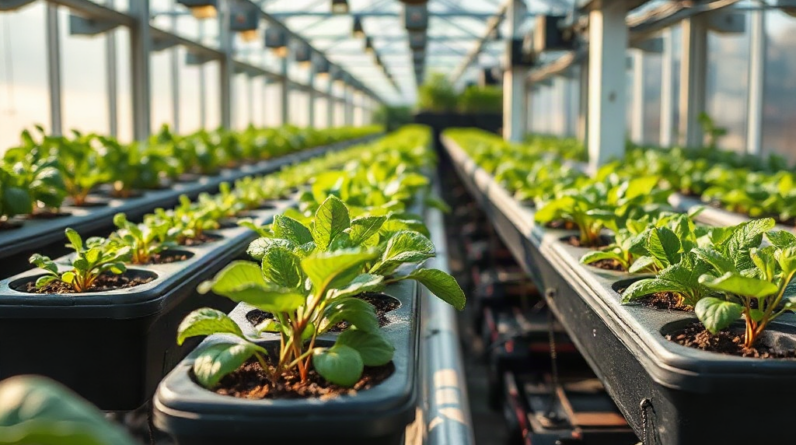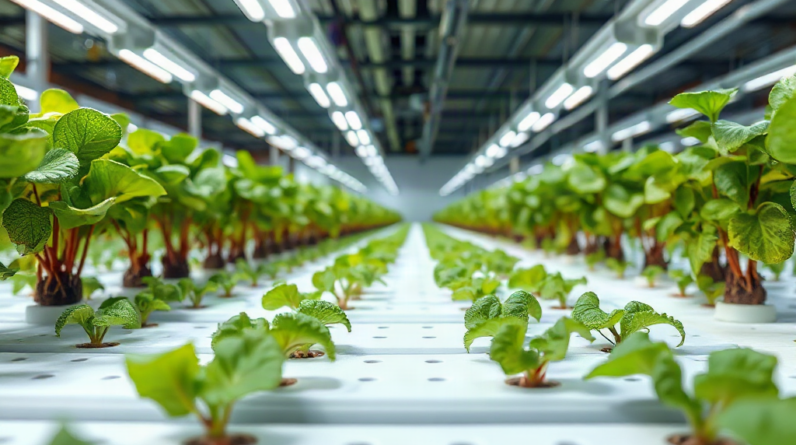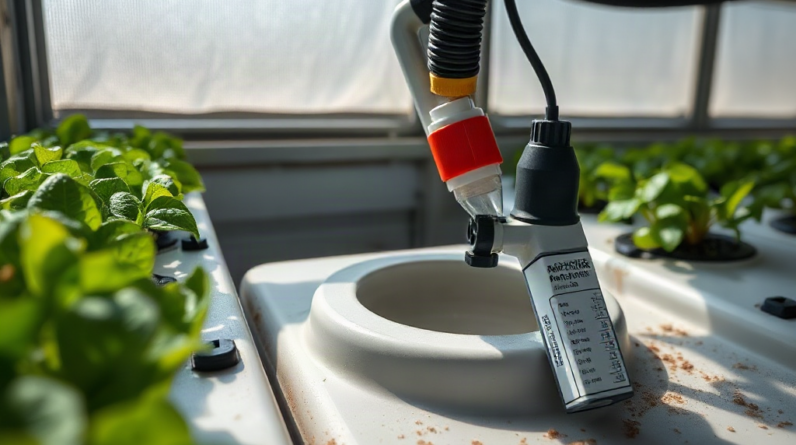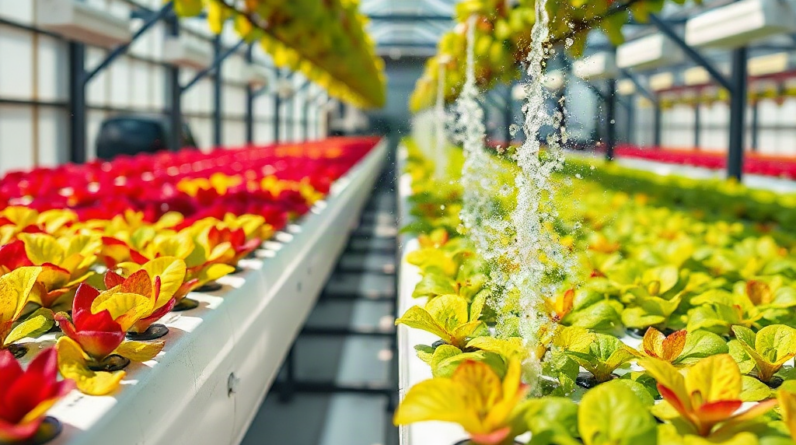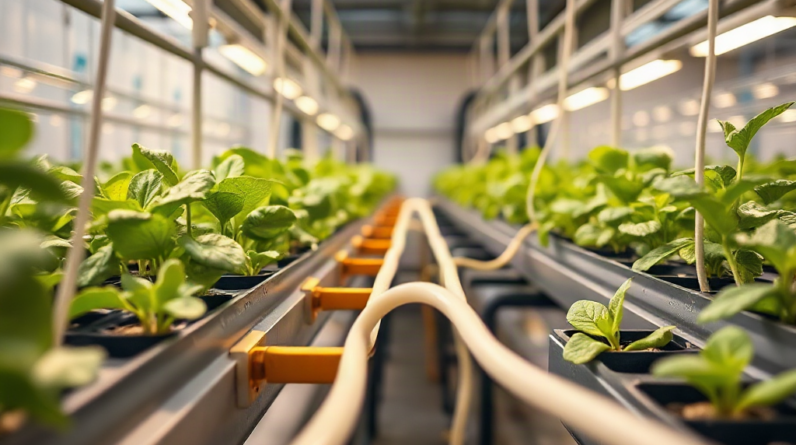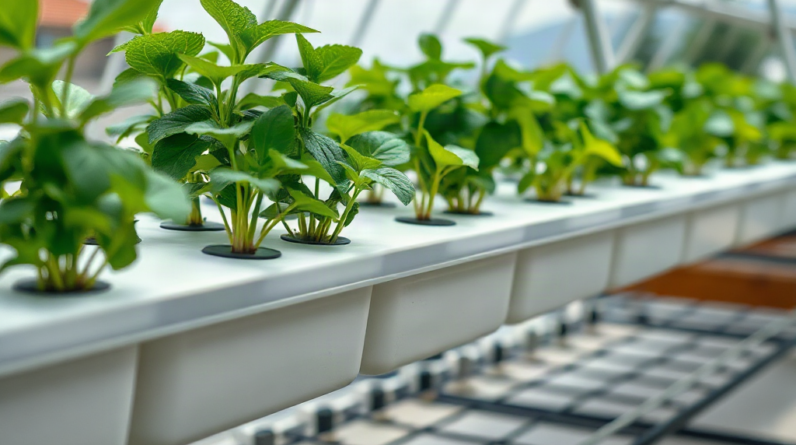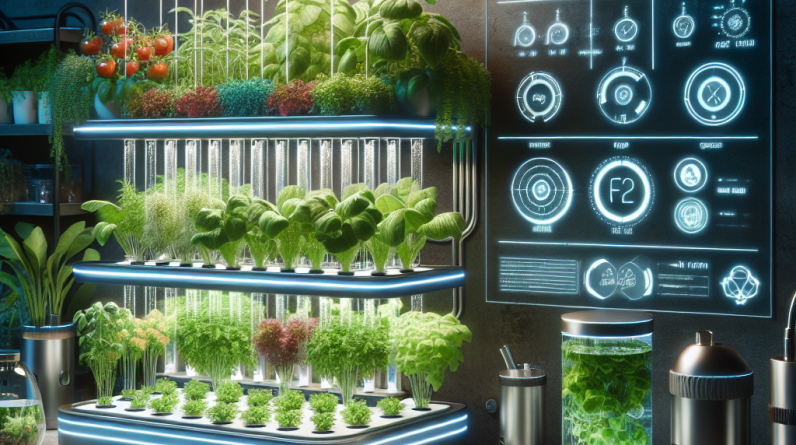
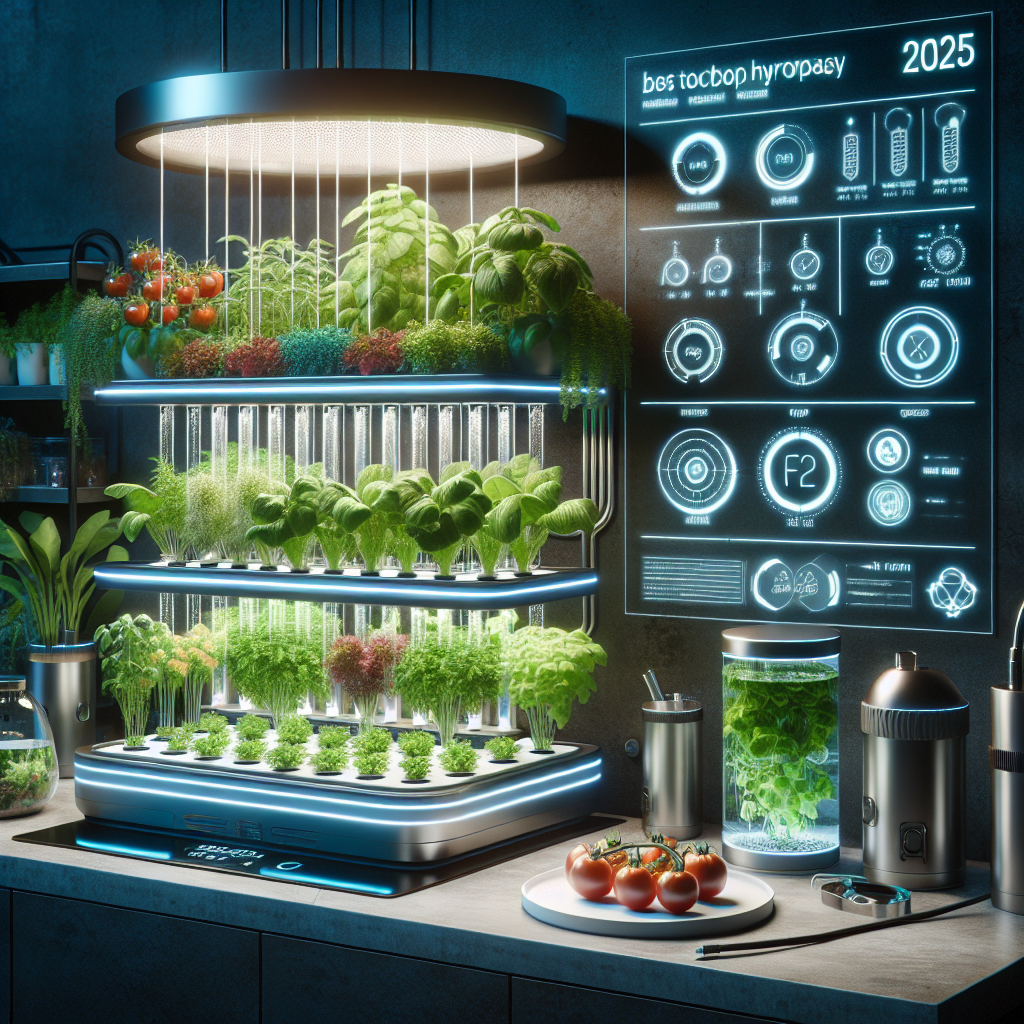
Maximizing yield in a hydroponic garden requires a strategic approach to both nutrient management and lighting. Ensuring that your plants receive the right balance of nutrients and adequate light is crucial for achieving optimal growth and production. One of the most common pitfalls in hydroponic gardening is neglecting to regularly check and adjust nutrient concentrations and pH levels, which can lead to stunted growth and reduced yields.
A smart gardener should prioritize monitoring the nutrient solution’s pH and electrical conductivity (EC) levels, as these factors directly affect plant health. The ideal pH range for most hydroponic crops is between 5.5 and 6.5. Additionally, be mindful of the type of nutrients used; a balanced nutrient solution tailored to the specific plants being grown can significantly enhance growth rates and yield. It’s also essential to understand the specific light requirements of your plants and adjust your lighting accordingly.
Understanding Nutrient Balance
Maintaining a proper nutrient balance is essential for maximizing hydroponic yields. Each plant has specific nutritional needs that should be met through a carefully formulated nutrient solution. Regular testing of nutrient levels allows for timely adjustments, preventing deficiencies that can hinder growth.
One effective method for ensuring nutrient balance is to use a hydroponic nutrient calculator. This tool helps determine the right ratio of macronutrients (nitrogen, phosphorus, potassium) and micronutrients (iron, manganese, zinc) for your specific plants. Additionally, consider the growth stage of your plants; seedlings require different nutrient concentrations compared to mature plants.
Importance of Light for Growth
Light plays a critical role in the photosynthesis process, which directly affects plant growth and yield. Adequate light not only supports growth but also enhances the flavor and nutritional value of the produce. Hydroponic gardeners should select the appropriate type of grow lights based on the plants being cultivated.
For instance, LED grow lights are energy-efficient and can be tailored to provide specific light spectrums that support different growth phases. Ensure that your light source is positioned correctly to cover all plants uniformly, and consider using timers to mimic natural light cycles, promoting healthy growth patterns.
Water Quality and Temperature
Water quality is another crucial factor in hydroponic gardening. The water used should be free of contaminants and have a balanced mineral content. Regularly testing your water for pH, EC, and temperature can prevent issues that may arise from poor water quality.
Typically, the ideal water temperature for hydroponics ranges between 65°F to 70°F (18°C to 21°C). Warmer temperatures can lead to decreased oxygen levels in the water, negatively impacting root health. Implementing water chillers or heaters, as necessary, can help maintain optimal conditions for your plants.
Common Mistakes to Avoid
Many hydroponic gardeners inadvertently make mistakes that can severely impact their yields. One common error is over-fertilizing, which can lead to nutrient burn and poor plant health. Always follow recommended guidelines for nutrient concentrations and adjust based on plant response.
Another mistake is neglecting pest management. Even in a hydroponic setup, pests can invade and damage plants. Regularly inspect your plants and implement preventive measures such as using organic pesticides or introducing beneficial insects to control pest populations.
Further Reading
The following resources provide additional insights into maximizing hydroponic garden yields:
Authoritative Sources
- Hydroponics Association
hydroponics.orgThis site offers comprehensive resources on hydroponic techniques, including nutrient management and pest control
- Gardening Know How
gardeningknowhow.comProvides practical advice on various gardening topics, including hydroponic systems and plant care
Frequently Asked Questions
What is the best nutrient solution for hydroponics?
The best nutrient solution varies by plant type, but a balanced solution with macronutrients (N-P-K) and micronutrients is essential for healthy growth.
How often should I change the nutrient solution?
It’s advisable to change the nutrient solution every two weeks to prevent nutrient imbalance and ensure optimal plant health.
Can I use tap water for hydroponics?
Tap water can be used, but it should be tested for pH and contaminants, as high chlorine levels can harm plants.
What type of lights are best for hydroponic gardening?
LED grow lights are highly recommended for hydroponics due to their energy efficiency and ability to provide the necessary light spectrum.
How do I prevent pests in my hydroponic garden?
Regular monitoring, maintaining cleanliness, and using organic pesticides can help prevent pest infestations in hydroponic gardens.
Conclusion
Maximizing yield in your hydroponic garden revolves around precise nutrient management, effective lighting, and maintaining water quality. By regularly monitoring these factors and avoiding common mistakes, you can significantly enhance your garden’s productivity. Start by focusing on nutrient solutions tailored to your plants, optimize your lighting setup, and ensure your water conditions are ideal. With these targeted practices, your hydroponic garden will thrive, delivering bountiful harvests.