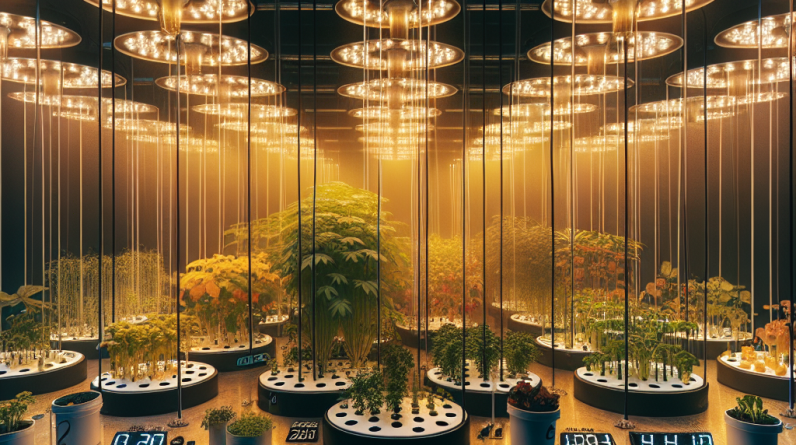
The stakes of choosing between aquaponics and hydroponics often revolve around several critical factors, including system complexity, resource availability, and specific growing goals. A common pitfall for new growers is underestimating the maintenance required for aquaponics, which involves managing both aquatic life and plant health. Conversely, hydroponics may appear simpler but still demands careful monitoring of nutrient solutions and water pH levels. Budget constraints can also influence the decision; aquaponics setups often require more upfront investment due to the need for fish tanks and filtration systems, while hydroponics can be scaled down more easily for smaller operations. Growers should prioritize understanding their local environment, available resources, and long-term goals before diving into either system.
Understanding Aquaponics and Hydroponics
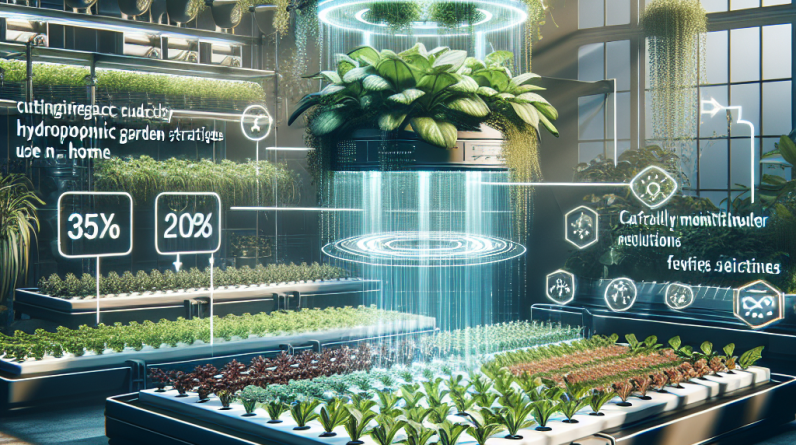
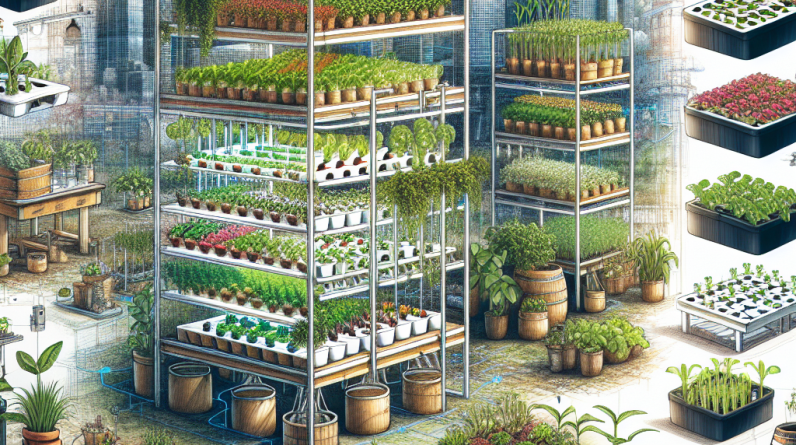
At their core, aquaponics and hydroponics offer distinct methodologies for growing plants without traditional soil cultivation. Aquaponics is particularly appealing for those interested in integrating fish farming into their growing practices. The nutrient cycle in aquaponics relies on fish waste, which is converted into nutrients by beneficial bacteria, promoting a holistic ecosystem. In contrast, hydroponics is focused purely on plant growth, employing various systems like nutrient film techniques or deep water culture to deliver essential nutrients directly to the plant roots.
Growers must recognize that these systems require different skill sets and knowledge bases. Aquaponics demands an understanding of both aquaculture and horticulture, making it potentially more complex for someone without a background in either. Conversely, hydroponics may be more straightforward but still requires diligence in nutrient management. Misjudging the ease of either system can lead to poor outcomes, such as fish health deterioration in aquaponics or nutrient imbalances in hydroponics.
Evaluating System Complexity and Maintenance
The complexity of maintaining an aquaponics system can be a double-edged sword. While the integration of fish and plants can create a sustainable environment, it also demands rigorous monitoring of water quality, fish health, and plant growth. An incorrectly balanced system can lead to fish fatalities or plant disease, both of which can compromise the entire operation. Hydroponics, on the other hand, requires less biological interaction, allowing for a somewhat more controlled environment where nutrient solutions can be adjusted quickly to optimize plant health.
A common mistake is assuming that aquaponics is a “set it and forget it” solution. New growers often overlook the ongoing need for water testing and system adjustments. In contrast, while hydroponics might seem easier, it still requires regular checks on nutrient levels and pH to prevent crop failures. Those considering either system should weigh their willingness and ability to engage in ongoing maintenance, as neglect can easily lead to system failure.
Cost Considerations: Initial Investment vs. Long-term Returns
The financial implications of starting an aquaponics or hydroponics system are considerable. Aquaponics setups typically require a higher initial investment due to the need for tanks, pumps, filtration, and the fish themselves. However, once established, the system can yield multiple outputs: fish for consumption and plants, potentially providing a diversified income stream. Hydroponics, while less expensive to start, may lead to higher operational costs over time due to nutrient replenishment and potential pest management needs.
Budget-minded growers should consider their long-term goals and the potential return on investment from both systems. An aquaponics system may take longer to mature but can provide continuous yields of both fish and crops, which could be advantageous in a market where both are in demand. Hydroponics can generate quicker harvest cycles, but growers must keep an eye on input costs to ensure profitability. Evaluating the total cost of ownership over time rather than just initial setup costs is crucial to making an informed decision.
Environmental Impact and Sustainability
Sustainability is a critical factor for many modern growers. Aquaponics systems can be more environmentally friendly due to their closed-loop nature, which recycles water and minimizes waste. The combination of fish and plants can lead to a more balanced ecosystem, reducing the need for chemical fertilizers and pesticides. On the other hand, hydroponics, while efficient in water use, often relies on synthetic nutrients that may not be as environmentally sustainable in the long run.
Growers should assess their environmental values and how each system aligns with them. An aquaponics system can be particularly appealing for those looking to create a sustainable model that supports biodiversity. However, they must also consider the complexities involved in maintaining aquatic life. Hydroponics may offer easier scalability for those in urban environments but could lead to greater dependency on synthetic inputs. Understanding these dynamics can help growers align their practices with their sustainability goals.
Further Reading
Related Resources
Frequently Asked Questions
What is the main difference between aquaponics and hydroponics?
Aquaponics integrates fish farming with plant cultivation, using fish waste as a nutrient source, whereas hydroponics relies solely on nutrient-rich water without fish.
Which system is easier to maintain?
Hydroponics is generally easier to maintain due to its controlled environment, while aquaponics requires monitoring of both plant and fish health.
Can I grow any plants in aquaponics?
While many plants thrive in aquaponics, leafy greens and herbs tend to perform best. Fruit-bearing plants may require additional care.
Is aquaponics more sustainable than hydroponics?
Aquaponics can be more sustainable due to its closed-loop system that minimizes waste and chemical use compared to hydroponics’ reliance on synthetic nutrients.
What are the initial costs associated with starting either system?
Aquaponics typically involves higher initial costs due to fish tanks and filtration systems, while hydroponics can be set up at a lower cost but may incur higher operational expenses over time.
Conclusion
Choosing between aquaponics and hydroponics requires careful consideration of your specific circumstances, including budget, maintenance capabilities, and sustainability goals. Each system offers unique advantages and challenges, making it crucial to align your choice with your long-term vision for growing. Assessing your local resources, your willingness to engage with complex systems, and your desired outputs can guide you in making an informed decision. Whether you lean toward the holistic benefits of aquaponics or the streamlined efficiency of hydroponics, understanding these systems will empower you to cultivate successfully.