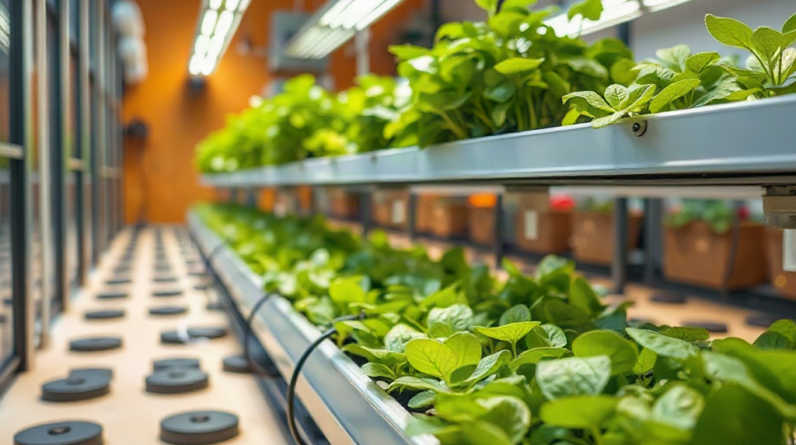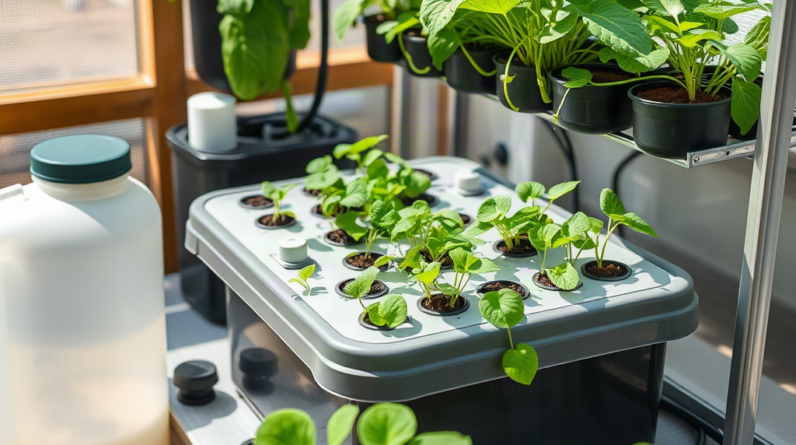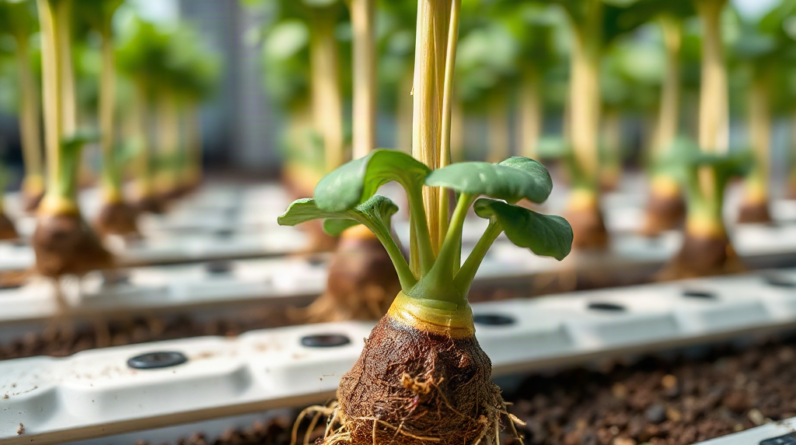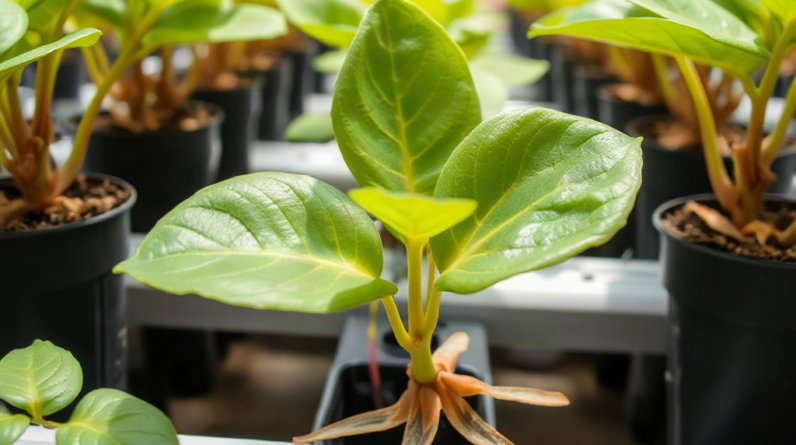
A low cost hydroponic setup can be effectively established using affordable materials such as PVC pipes, nutrient solutions, and basic growing mediums. The core elements of this system include a water reservoir, a pump, and a nutrient delivery mechanism. By utilizing these components creatively, you can cultivate plants without the need for expensive equipment or commercial systems.
When embarking on a budget-friendly hydroponic project, several considerations are paramount. First, the choice of system design greatly impacts both initial setup costs and ongoing maintenance. For instance, simple systems like deep water culture or nutrient film technique can be made from inexpensive materials. Additionally, sourcing components locally can significantly reduce costs. Many successful hydroponic gardeners have utilized recycled materials, such as old containers or plumbing supplies, to create their systems.
Choosing the Right Hydroponic System for Your Budget
Identifying the most suitable hydroponic system for a low cost setup is crucial. Systems like deep water culture (DWC) or wick systems are cost-effective and easy to construct. Consider the scale of your gardening ambitions; smaller systems require fewer materials and are easier to manage. The tradeoff is that larger systems can potentially yield more produce but may involve higher initial costs.
Prioritize systems that require minimal technical knowledge and are easily scalable. For example, a simple DWC setup can be created using a plastic container, an air pump, and some net pots. This setup not only minimizes costs but also allows for experimentation as you learn more about hydroponics.
Essential Components of a Low Cost Hydroponic Setup
The fundamental components of a low cost hydroponic setup include a water reservoir, a pump, nutrient solutions, and a growing medium. A basic reservoir can be made from any watertight container, such as a plastic tote or bucket. The pump is essential for circulating nutrient-rich water to the plants.
When selecting nutrient solutions, consider using concentrated liquid fertilizers that can be diluted. This approach reduces costs while ensuring your plants receive adequate nutrients. Additionally, using growing mediums like coconut coir or perlite can be more affordable than commercial hydroponic media.
DIY Techniques for Effective Hydroponic Gardening
Implementing DIY techniques can greatly reduce the cost of hydroponic gardening. For example, building your own grow lights using LED strips or repurposing household items as planters can save money. Utilize online resources and community forums to find innovative solutions to common hydroponic challenges.
Creating a simple system can also involve using gravity to feed plants, eliminating the need for expensive pumps. This not only cuts costs but also simplifies the setup. Experimentation is key; many successful gardeners have developed unique systems tailored to their specific needs.
Common Mistakes to Avoid in Budget Hydroponics
One of the most common pitfalls in budget hydroponics is underestimating the importance of water quality. Using tap water without testing can lead to nutrient imbalances and poor plant health. Invest in a basic water testing kit to ensure optimal conditions.
Another mistake is neglecting plant spacing and light requirements. Overcrowding plants can lead to competition for nutrients and light, ultimately reducing yields. Ensure adequate spacing and consider supplemental lighting if needed, even in budget setups.
Frequently Asked Questions
What is the cheapest way to start a hydroponic setup?
The cheapest way to start a hydroponic setup is by using recycled materials like plastic containers and DIY systems such as deep water culture.
How much does a basic hydroponic system cost?
A basic hydroponic system can cost anywhere from to 0, depending on the materials and scale of the setup.
Can I use regular soil in hydroponics?
No, regular soil is not suitable for hydroponics; instead, use inert growing media like rock wool, perlite, or coconut coir.
What plants are best for a low cost hydroponic setup?
Leafy greens such as lettuce, herbs like basil, and fast-growing vegetables like radishes are ideal for low cost hydroponic setups.
How often should I change the water in my hydroponic system?
Change the water in your hydroponic system every 1-2 weeks to maintain nutrient levels and prevent algae growth.
Conclusion
In summary, establishing a low cost hydroponic setup is achievable with careful planning and resourcefulness. Focus on selecting the right system, utilizing affordable components, and avoiding common mistakes. As you gain experience, you can refine your setup and expand your gardening efforts without significant financial investment. Start small, experiment with different techniques, and enjoy the satisfaction of growing your own food efficiently.
Related Content
- How To Avoid Nutrient Deficiencies In Seedlings With Early Feeding, pH Checks, And Root-Zone Control
- The No-Waste Way to Grow Hydroponic Crops
- Detecting Stagnant Zones in Hydroponic Channels Through Flow Tests, Dye Tracing, And Root Inspection
- Troubleshoot Common Issues in Hydroponic Systems
- Preserve Water with Innovative Hydroponic Techniques