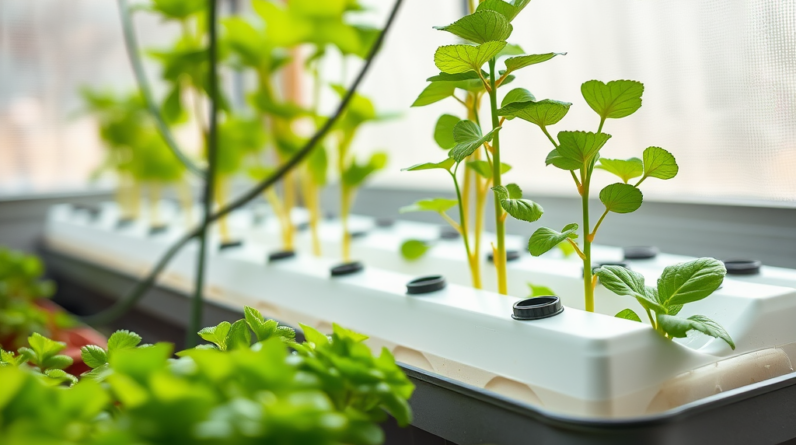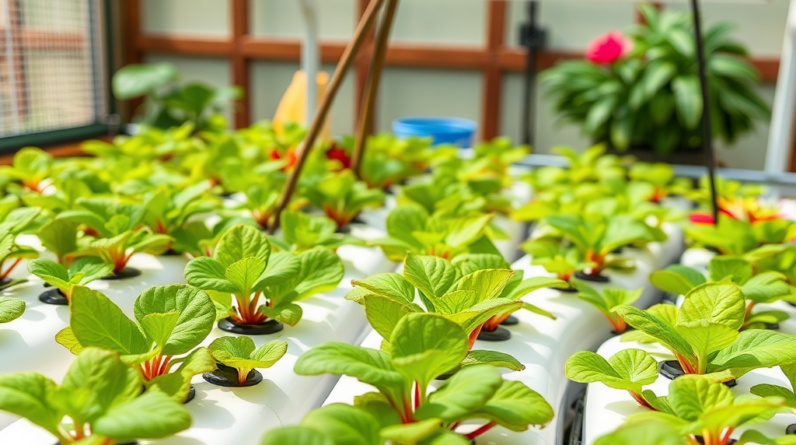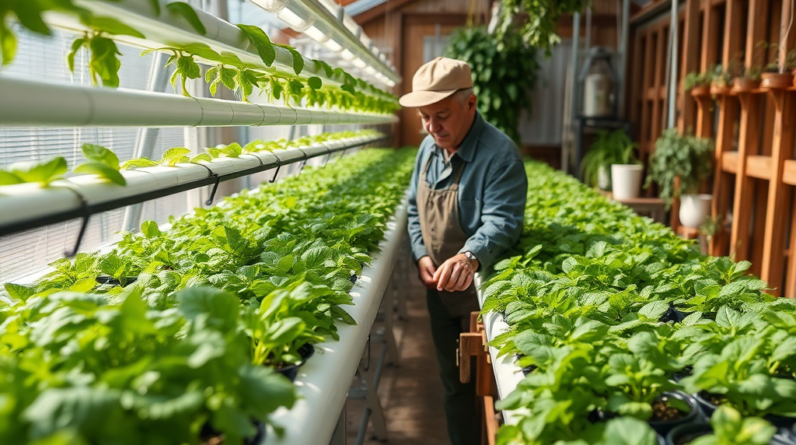
Managing pests in indoor hydroponics is crucial for ensuring healthy plant growth and maximizing yields. The first step to effectively handle pest issues is identifying the specific pests affecting your plants. Common pests include aphids, spider mites, and whiteflies, which can thrive in the warm, humid conditions typical of indoor gardens. Once identified, you can implement targeted control methods, including natural and chemical interventions.
One of the most effective strategies is integrated pest management (IPM), which combines multiple approaches for long-term control. Maintaining optimal environmental conditions—like humidity, temperature, and air circulation—can make your indoor hydroponic system less hospitable to pests. Regularly inspect your plants for early signs of infestations, as prompt action is vital in preventing widespread damage.
Another approach involves using insecticidal soaps or neem oil, which are effective against various pests and less harmful to beneficial insects. Additionally, introducing beneficial insects like ladybugs or predatory mites can provide natural pest control. However, always ensure that any treatments you use are safe for the specific plants you are growing.
Understanding Common Pests in Hydroponics
Identifying the common pests that can affect hydroponic systems is essential for effective management. Aphids, spider mites, and fungus gnats are frequent culprits. Aphids suck sap and can cause stunted growth, while spider mites create webs and can lead to leaf discoloration. Fungus gnats, on the other hand, can damage root systems. Regular monitoring can help you catch these pests before they become a significant issue.
Understanding the life cycle of these pests is critical to timing your interventions. For instance, knowing when aphids reproduce can help you apply treatments at the right time to disrupt their population growth. Additionally, many pests thrive under specific conditions, such as high humidity, which makes it important to monitor and adjust your growing environment accordingly.
Integrated Pest Management Strategies
Integrated Pest Management (IPM) is a holistic approach that emphasizes prevention, monitoring, and control. It involves using a combination of cultural, biological, and chemical controls tailored to the specific pest and crop. For example, rotating crops and using resistant varieties can reduce pest populations over time.
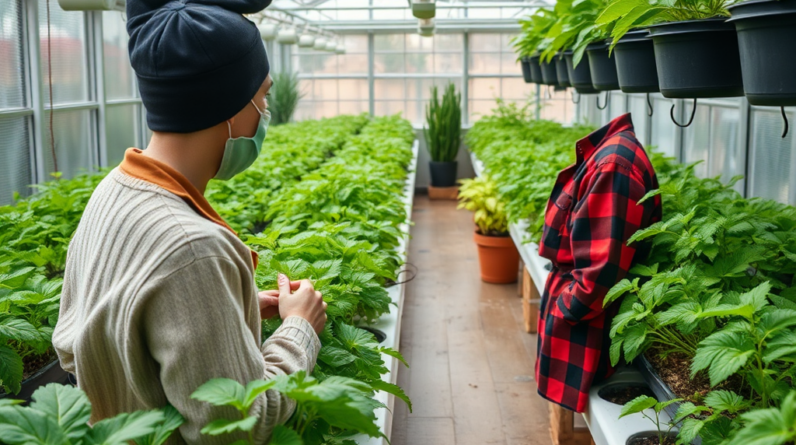
Regular inspections and monitoring are vital components of IPM. By keeping a close eye on your plants, you can identify early signs of pest presence and take immediate action before infestations escalate. Moreover, keeping detailed records of pest activity can help you understand patterns and anticipate future issues.
Natural Remedies for Pest Control
Utilizing natural remedies can be an effective way to manage pests without harming the environment. Insecticidal soaps and neem oil are two popular options. Insecticidal soap works by suffocating soft-bodied insects, while neem oil disrupts the life cycle of pests, preventing them from feeding and reproducing.
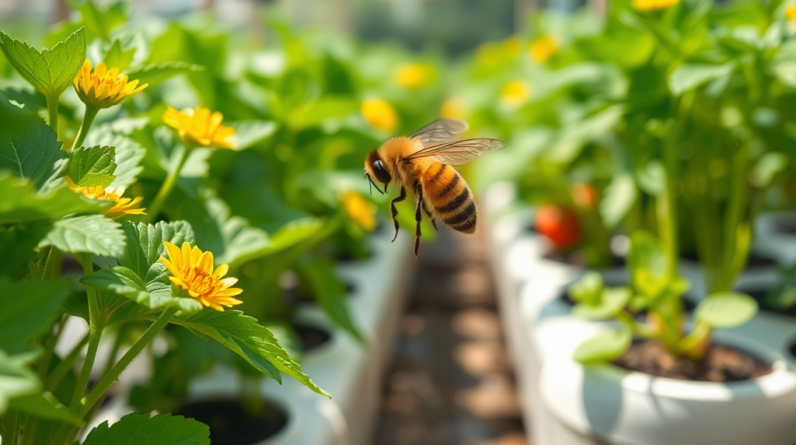
Another effective natural method is to introduce beneficial insects into your hydroponic system. Ladybugs, for example, are voracious aphid eaters and can help keep aphid populations in check. However, it’s essential to create an environment that supports these beneficial insects, such as providing food and shelter.
Preventive Measures to Avoid Infestations
Preventing pest infestations is often more effective than dealing with them after they occur. Start by keeping your growing area clean, removing debris and dead plant material that can harbor pests. Additionally, ensure proper spacing between plants to promote air circulation, which can deter pests.
Implementing strict hygiene protocols, such as sanitizing tools and containers before use, can also help prevent the introduction of pests into your hydroponic system. Ultimately, monitor environmental conditions closely, as pests thrive in conditions that are too humid or warm.
Further Reading
Authoritative Sources
- USDA National Institute of Food and Agriculture
nifa.usda.govResearch and extension resources related to agriculture, plants, soil, and food systems.
- Extension Foundation Gardening Resources
extension.orgUniversity extension education resources for practical gardening and home agriculture topics.
- USDA Natural Resources Conservation Service
nrcs.usda.govSoil, water, conservation, and land management resources for practical growing decisions.
Frequently Asked Questions
What are the most common pests found in indoor hydroponics?
The most common pests include aphids, spider mites, whiteflies, and fungus gnats, each posing unique threats to plant health.
How can I prevent pests in my hydroponic system?
Prevent pests by maintaining cleanliness, monitoring environmental conditions, and using proper sanitation practices for tools and containers.
Are natural remedies effective for pest control in hydroponics?
Yes, natural remedies like insecticidal soap and neem oil can effectively control pests without harming beneficial organisms.
How often should I check my plants for pests?
Regular inspections should be conducted at least once a week to catch any potential pest issues early.
What should I do if I find pests in my hydroponic system?
If pests are found, identify them and apply appropriate control measures immediately to prevent further damage.
Conclusion
Effectively managing pests in indoor hydroponics requires a proactive approach that combines identification, monitoring, and the implementation of integrated pest management strategies. By understanding the common pests, utilizing natural remedies, and adopting preventive measures, you can create a thriving hydroponic environment. Regular inspections and maintaining optimal conditions are key to keeping your plants healthy and productive.
Related Content
- 10 Effective Hydroponic Lettuce Growing Tips for 2025: The Ultimate Guide
- Aquaponics and Hydroponics: Essential Steps for Sustainable Food Production
- Preserve Water with Innovative Hydroponic Techniques
- Home Hydroponic Gardening Ideas: Practical Methods for Growing Fresh Produce Indoors
- Why Seedlings Struggle in Hydroponic Systems: Common Causes and Solutions