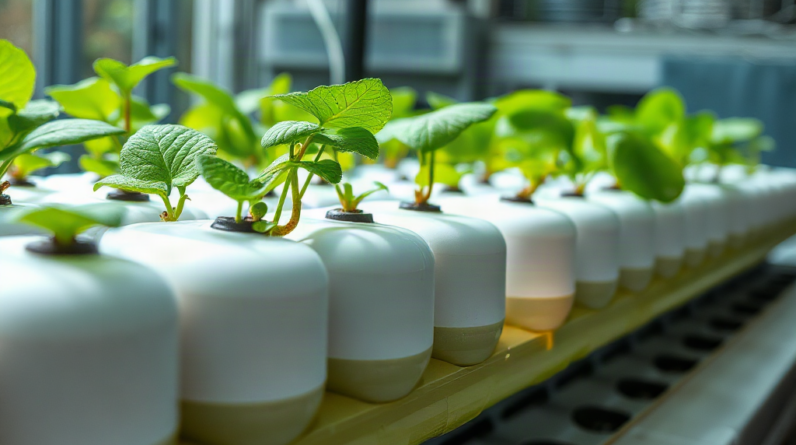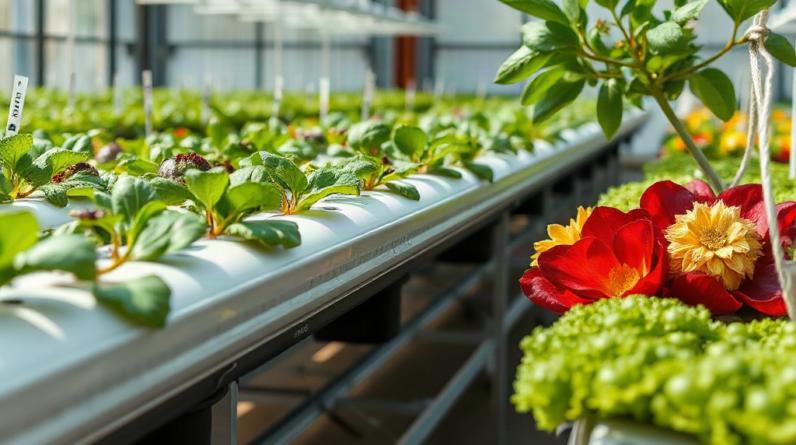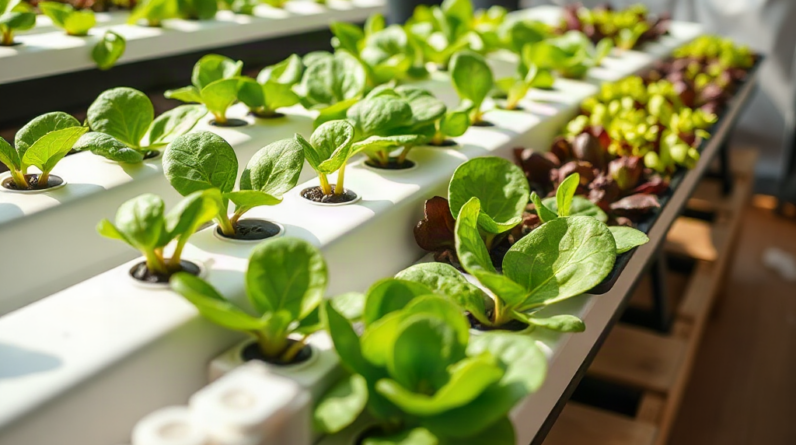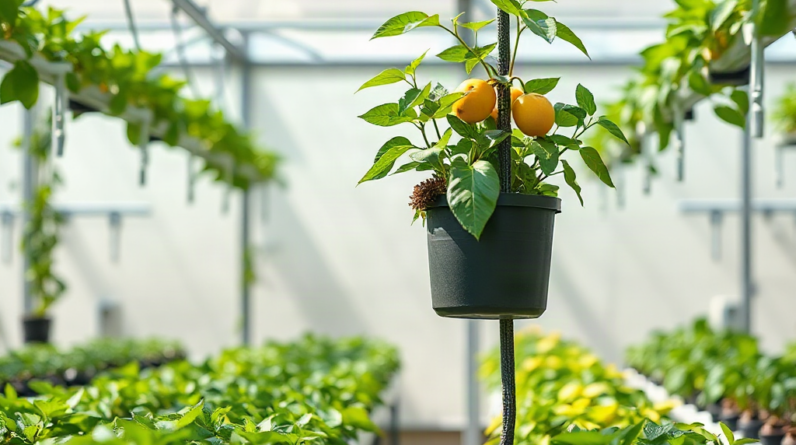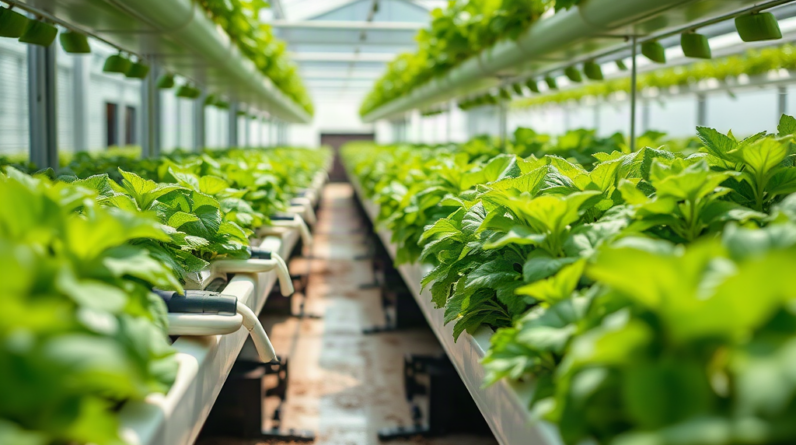
Hydroponic garden return on investment factors are mainly upfront equipment, ongoing electricity and nutrient costs, crop value, harvest volume, system lifespan, and the grower’s labor. Payback is more realistic when a garden produces frequently harvested crops such as lettuce, herbs, or microgreens rather than low-value crops that occupy space for months. A useful calculation includes lighting, pumps, climate control, seeds, growing media, nutrients, water, replacement parts, packaging, and labor—not just the purchase price. Home growers should compare those expenses with the retail value of produce they would actually buy, while sellers must subtract waste, market fees, and delivery costs. Conservative yield estimates and a small pilot usually reveal whether expansion is financially sensible.
What Determines Hydroponic Garden Payback
A hydroponic garden earns back its investment when the value of usable harvests exceeds the equipment cost and the ongoing expense of producing them. That outcome depends less on the appearance of the system than on utilization: an expensive rack that grows one small batch every few weeks may perform worse financially than a modest setup harvested continuously. For a home grower, “value” usually means avoided grocery purchases. For a commercial grower, it means saleable revenue after packaging, transport, fees, spoilage, and labor.
The central calculation is straightforward: subtract total operating costs from the value or revenue of the harvest, then compare the resulting annual benefit with the initial investment. The difficult part is assigning realistic inputs. A crop may be biologically productive but financially weak if it has a low selling price, a long growing period, or a high failure rate. Conversely, herbs can use little physical space while commanding a useful price, provided customers want them and the grower can maintain quality.
Consider two indoor gardens with identical lighting. One grows head lettuce that is harvested once and then replanted; the other grows cut-and-come-again basil for repeated harvests. Their electricity bill may be similar, but their replacement schedules, usable output, and market value differ. The basil system may have stronger revenue potential, while the lettuce system may offer simpler handling and more predictable household use. Neither is automatically the better investment.
Prioritize three measurements before buying more equipment: usable harvest per growing area, cost per harvest cycle, and the percentage of produce actually consumed or sold. Tracking those figures through a small trial gives a stronger basis for Hydroponic garden return on investment factors than relying on advertised yields.
Capital Expenses And Operating Costs
Initial capital includes the structure and every item required to run it reliably. A budget may include channels or containers, a reservoir, pumps, plumbing, lighting, timers, meters, fans, trellising, climate equipment, starter plants, and sanitation supplies. Small accessories matter because missing fittings, replacement tubing, or a suitable meter can turn a supposedly complete kit into a second purchase.
Operating costs often determine whether payback continues after the first harvest. Electricity is especially influential in indoor gardens because lights, ventilation, heating, cooling, and pumps may run for long periods. Nutrients, seeds, plugs, media, water treatment, cleaning products, and replacement parts add smaller recurring charges. Labor is easy to ignore in a home calculation, but it still has economic value. Mixing a reservoir, pruning plants, checking pH, harvesting, and cleaning all displace other uses of time.
Climate control creates a major tradeoff. A warmer growing room may increase plant growth while also increasing cooling demand. Lower-cost lighting may reduce the purchase price but produce less uniform growth or require earlier replacement. A system that uses less water may still have poor financial performance if its pumps clog frequently or its design makes cleaning laborious.
Separate costs into fixed and variable categories. Fixed costs include the rack, lights, and meters; variable costs rise with each crop cycle. A useful operating record can include:
- Electricity used by lights and environmental equipment.
- Seeds, nutrient concentrate, growing media, and water treatment.
- Replacement pumps, emitters, tubing, meters, and light components.
- Labor for monitoring, harvesting, cleaning, packaging, and delivery.
- Lost crops caused by pests, disease, equipment failure, or missed maintenance.
A common mistake is treating the purchase price as the full investment. A low-cost system with unreliable circulation can create repeated crop losses, while a more durable system may cost more initially but reduce interruptions. Compare total cost over the expected service life, not just the checkout price.
Crop Choice, Yield, And Revenue Value
Crop selection affects return because plants differ in growth duration, harvest frequency, space use, price, and tolerance of handling. Leafy greens and culinary herbs often fit compact systems because they mature relatively quickly and can be harvested regularly. Fruiting crops such as tomatoes, peppers, and cucumbers generally require more structural support, stronger lighting, longer occupancy, and more attention to pollination. Their higher retail value does not automatically compensate for those demands.
Yield should mean saleable or usable yield, not the total weight removed from the system. Damaged leaves, undersized heads, bitter herbs, misshapen fruit, and produce discarded because harvest timing was missed all reduce the return. A garden producing 30 units but losing six has a different financial result from one producing 24 acceptable units with little waste.
Market value also needs a careful definition. If a household normally buys packaged basil, replacing that purchase may justify a garden even when the cash payback is slow. If the household rarely eats lettuce, harvest has little economic value regardless of how healthy the plants look. Commercial growers need evidence of demand before choosing a crop. A premium price is useful only when customers accept the product, volume, freshness, and delivery terms.
Compare crops using value per occupied space and per month rather than price alone. A slow pepper plant can occupy a prime lighting position while producing intermittently; a series of herb plantings may generate more frequent value from the same shelf. The alternative is not always higher revenue: herbs may require more frequent trimming and packaging, and leafy greens may be easier to standardize.
Record planted units, harvest dates, usable quantity, discarded quantity, and the value assigned to each harvest. Those records expose weak assumptions quickly. If advertised yield is based on ideal conditions but your garden loses plants during warm weather, use your observed loss rate in future projections. The return on investment calculation should reflect the garden you can maintain, not a perfect demonstration setup.
Building A Realistic Return Calculation
A practical model begins with annual benefit rather than a vague promise of savings. Estimate the number of harvest cycles, usable output per cycle, and a defensible value per unit. Then subtract annual electricity, consumables, maintenance, labor, and waste. The remaining figure is the annual net benefit available to recover the initial investment.
For example, a home grower might value a harvest at the price they would reasonably pay for comparable fresh produce. That value should not include items the household would never purchase. A seller should use actual expected selling prices and subtract containers, transaction fees, travel, unsold inventory, and customer discounts. Mixing household replacement value with retail revenue creates an inflated projection.
Use conservative, expected, and optimistic cases. The conservative case can assume slower growth, occasional crop loss, and higher electricity use. The expected case should reflect a documented trial. The optimistic case may show the ceiling, but it should not determine the purchase decision. If the system only appears attractive under perfect output and zero downtime, the risk is already visible.
Useful calculations include:
- Annual gross value: usable harvest per cycle multiplied by cycles per year and value per unit.
- Annual net benefit: gross value minus electricity, supplies, maintenance, waste, and labor.
- Simple payback period: initial investment divided by annual net benefit, when the net benefit is positive.
- Cost per usable unit: total production cost divided by the quantity actually consumed or sold.
Payback is not the same as profit. It ignores financing, taxes, resale value, depreciation, and the opportunity cost of space unless those items are added separately. It also cannot capture the personal value of freshness, learning, or food availability without assigning those benefits a reasonable figure. Use the model as a decision aid, not as a guarantee.
Review results after several complete cycles, including cleaning and replanting. Signs that the estimate is working include stable harvest weights, predictable supply use, and few emergency purchases. Warning signs include rising replacement costs, plants occupying the system longer than planned, and a growing share of harvest being discarded.
Deciding Whether To Expand
Expansion makes financial sense only when the first system has demonstrated repeatable production and manageable labor. Adding another rack before identifying why the original rack underperforms multiplies the problem. A failed pump, inconsistent nutrient management, poor airflow, or weak crop demand can become more expensive at larger scale.
Review the bottleneck before spending. If lighting capacity limits output, additional growing space may sit below the required intensity. If harvesting and packaging consume the available time, more plants can reduce quality and increase waste. If the local market accepts only a small quantity, higher production may force discounts. Expansion should remove a measured constraint rather than chase a theoretical yield.
A staged approach reduces exposure. Add a small number of sites, keep the same crop mix, and compare output per unit of electricity and labor with the original system. Standardized reservoirs, fittings, and lighting can simplify maintenance, but uniformity also creates shared failure risk: one water-quality problem or timer error may affect every module. Separate critical components where a single failure would destroy the entire crop.
Home growers should also compare hydroponic savings with simpler alternatives. Buying seasonal produce, using an outdoor garden, or growing herbs in a small window setup may require less capital. Hydroponics becomes more compelling when space, climate, freshness, or year-round availability has substantial personal value. Commercial operators need stronger evidence because sales revenue must cover more than household replacement value.
Use this priority order when reviewing the project:
- Confirm dependable demand or genuine household consumption.
- Measure usable output and crop-cycle duration.
- Calculate electricity, supplies, maintenance, waste, and labor.
- Test whether the system remains positive under a conservative scenario.
- Expand only after the operating routine is stable and repeatable.
The most damaging misconception is that maximum plant growth equals maximum financial return. A smaller crop with reliable harvest timing, low waste, and straightforward maintenance may outperform a larger, more demanding crop. The best investment decision is the one supported by records from your space, utility rates, crop preferences, and available time.
Frequently Asked Questions
What is the largest cost in an indoor hydroponic garden?
Electricity can become the largest recurring expense when lighting and climate control run for long periods. Equipment cost is often the largest initial expense.
Which crops usually offer the clearest payback potential?
Frequently harvested herbs, leafy greens, and microgreens may offer clearer payback than slow-growing fruiting crops, but demand and waste determine the actual result.
Should labor be included in a home garden calculation?
Yes. Assigning a reasonable value to monitoring, cleaning, harvesting, and replanting shows whether the financial benefit justifies the time involved.
How can a grower avoid overstating expected returns?
Use usable harvest rather than total growth, include crop losses and replacement parts, and model conservative electricity, yield, and selling-price assumptions.
When should a hydroponic garden be expanded?
Expansion is safer after several consistent cycles demonstrate stable output, manageable labor, dependable demand, and positive results under realistic operating costs.
Further Reading
Authoritative Sources
- Academy of Nutrition and Dietetics
eatright.orgProfessional nutrition guidance, healthy eating resources, and practical dietitian-reviewed advice.
- U.S. Department of Agriculture
usda.govOfficial food, nutrition, agriculture, and consumer guidance from the USDA.
- NIH Office of Dietary Supplements
ods.od.nih.govResearch-based fact sheets on nutrients, supplements, dietary intake, and safety considerations.
- International Society of Sports Nutrition
sportsnutritionsociety.orgEvidence-informed sports nutrition resources and position stands for active people and athletes.
Conclusion
A hydroponic garden’s return depends on the relationship between usable harvest and the full cost of producing it. Equipment price matters, but electricity, climate control, consumables, maintenance, labor, crop losses, and market value often determine the final result. Start with crops that match actual household use or confirmed demand, then measure output across complete cycles rather than relying on catalog estimates. Treat payback as a range, using conservative assumptions for yield, waste, and energy. Before expanding, identify the limiting resource—space, light, labor, demand, or reliability—and address that constraint first. A modest system with repeatable harvests and controlled operating costs is more financially credible than a larger installation built around best-case projections.
Related Content
- How to Create a Hydroponic Maintenance Schedule: Essential Steps for Optimal Plant Health
- How to Troubleshoot Nutrient Solution Heating Issues Using Temperature Patterns and Equipment Tests
- Low Cost Hydroponic Setup: Essential Equipment and Steps for Success
- Identifying Nutrient Burn in Hydroponic Plants: Symptoms, Causes, and Solutions
- Hydrogen Peroxide for Hydroponic System Cleaning: Concentration, Contact Time, and Rinse Steps