
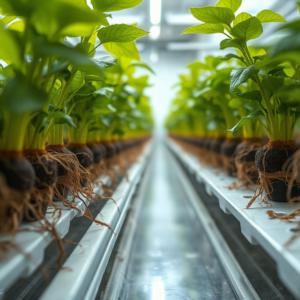
Hydroponic Root Zone Oxygen Indicators: Symptoms, Tests, And Fixes
Hydroponic root zone oxygen indicators include root color and texture, water temperature, dissolved-oxygen readings, air-stone performance, and plant responses such as wilting despite a full reservoir. Cream or white, firm roots usually suggest better aeration, while brown, soft, slimy roots and sour-smelling water point to oxygen stress and possible root disease.
Read More »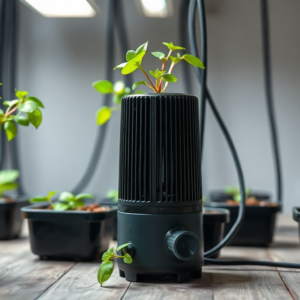
Quiet Air Pumps For Indoor Hydroponics: Noise Ratings, Airflow Checks, And Setup Fixes
Quiet air pumps for indoor hydroponics work best when low operating noise is matched with adequate airflow, a stable mounting surface, and correctly sized air stones. Compare sound claims under similar conditions, then check whether the pump can supply the number and depth of stones your reservoir requires.
Read More » How to Compare Hydroponic Crop Cycles by Time, Yield, and Resource Use
Compare hydroponic crop cycles by recording the same timeline, usable yield, labor, energy, water, and crop quality for each plant, then judging results against the space and equipment available. Separate seed-to-harvest time from regrowth time, because a fast first cut may produce less total food than a slower crop with repeated harvests.
Read More »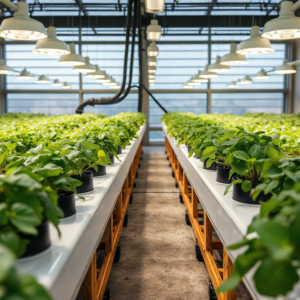
Hydroponic Data Trends Worth Charting: What to Measure, Compare, and Act On
Hydroponic data trends worth charting include nutrient strength, pH, reservoir temperature, water use, light exposure, air conditions, plant growth, and harvest results because these measurements reveal whether a change is helping or creating hidden stress.
Read More »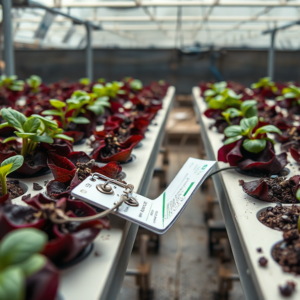
Recording Nutrient Changes in Hydroponics With a Daily Log That Explains EC and pH Shifts
Recording Nutrient Changes in Hydroponics With a Daily Log That Explains EC and pH Shifts
Read More »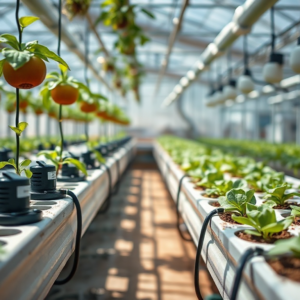
Estimating Hydroponic Electricity Costs Monthly: A Meter-and-Formula Budget Plan
Estimating hydroponic electricity costs monthly requires adding each device’s wattage, daily runtime, and local electricity rate, with lighting, climate control, pumps, and ventilation usually shaping the result. Multiply watts by hours used and divide by 1,000 to get kilowatt-hours, then multiply that figure by your utility rate and add fixed…
Read More »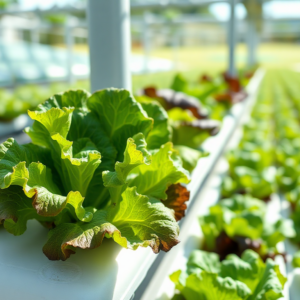
Is Hydroponic Lettuce Cheaper to Grow at Home? A Realistic Cost Comparison
Hydroponic lettuce can be cheaper to grow at home over repeated harvests, but it is usually more expensive than store-bought lettuce during the first setup cycle. The result depends on equipment cost, electricity for lighting and pumps, nutrient use, seed prices, and how consistently the system produces healthy heads.
Read More »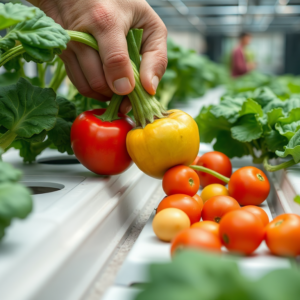
Harvesting Hydroponic Vegetables for Longer Storage: Timing, Cooling, and Container Choices
Explore harvesting hydroponic vegetables for longer storage through right harvest point and cut, handle, considering the conditions that change the outcome.
Read More » Drying Hydroponic Greens Before Storage: Spin-Dry, Air-Dry, or Pat Dry?
Drying hydroponic greens before storage means removing surface water without bruising the leaves or allowing them to warm for too long. Rinse only when needed, drain thoroughly, then use a salad spinner, clean towels, or a brief air-drying period until the greens feel dry rather than dehydrated.
Read More »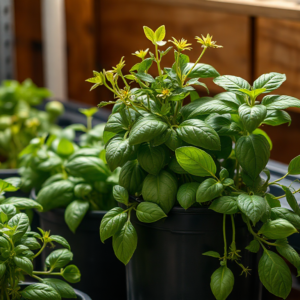
Keeping Hydroponic Herbs Fresh After Harvest With Cold Storage, Moisture Control, and Better Containers
Keeping hydroponic herbs fresh after harvest depends on gentle cutting, rapid removal of surface moisture, and storage matched to the herb: tender basil usually prefers a cool room and water-filled stems, while cilantro, parsley, mint, and chives generally tolerate refrigeration in a breathable, lightly damp environment.
Read More »