
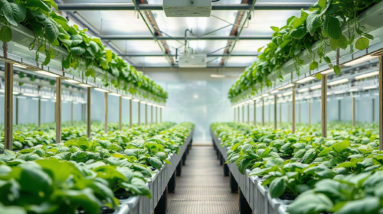
Growing Hydroponic Vegetables in Cold Rooms With Reliable Temperature Control
Growing hydroponic vegetables in cold rooms works when root-zone temperature, air temperature, lighting, and humidity are managed together rather than treating cold as a simple thermostat setting. Use crops suited to cool conditions, insulate reservoirs and pipes, prevent chilled nutrient solution from reaching roots, and provide enough light to offset slower winter growth.
Hydroponic Gardening Myths About Nutrient Strength: What EC Readings Really Tell You
Hydroponic gardening myths about nutrient strength often confuse a stronger EC reading with better plant nutrition, even though EC measures electrical conductivity rather than complete nutrient balance. Plant age, crop type, light intensity, temperature, water quality, and root-zone conditions all affect how much feed is appropriate.
Hydroponic System Insurance And Water Damage: Coverage Gaps, Claims Steps, And Prevention
Hydroponic system insurance and water damage coverage usually depends on the policy’s definitions of covered equipment, sudden leaks, business property, and gradual damage. A burst supply line may be treated differently from an overflowing reservoir caused by poor maintenance, while crop loss, nutrient solution, flooring, and neighboring-unit damage may fall under separate limits or exclusions.
Repairing Rather Than Replacing Hydroponic Equipment: A Practical Cost-and-Risk Checklist
Repairing rather than replacing hydroponic equipment is usually the better choice when the fault is isolated, the frame and food-contact parts remain sound, and a replacement component can restore reliable operation. Begin by unplugging the unit, identifying whether the failure is electrical, mechanical, hydraulic, or structural, and testing the affected part separately.
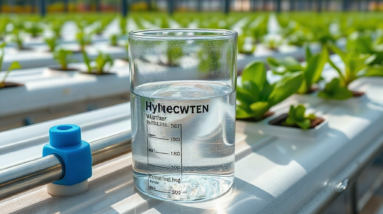
Recovering Usable Water From Hydroponic Systems With Filtration, Testing, And Safe Reuse
Recovering usable water from hydroponic systems means collecting runoff or drained solution, removing debris, testing its chemistry, and deciding whether it is suitable for plants, cleaning, or non-potable irrigation. The main limits are accumulated salts, changing nutrient ratios, root-zone pathogens, and contaminants introduced by dirty equipment or crop treatments.
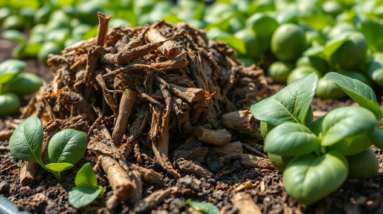
Composting Spent Hydroponic Plant Material: A Practical Breakdown Plan
Composting spent hydroponic plant material works when roots, stems, leaves, and growing media are separated from contaminants, chopped, balanced with dry carbon, and kept aerated until the pile matures. Remove plastic, clips, wires, diseased tissue, and any media that may contain synthetic fibers or chemical residues before adding plant matter.
Reusing Hydroponic Grow Media Safely: Cleaning Steps, Disinfection, and Reuse Limits
Reusing hydroponic grow media safely means sorting out damaged material, removing old roots and salts, disinfecting the media with a crop-appropriate method, and drying or storing it so pathogens and pests do not carry into the next planting.
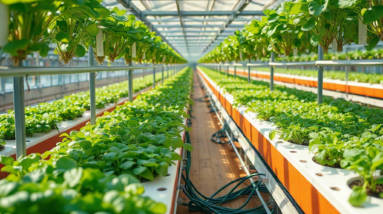
Reducing Single-Use Plastic in Hydroponic Gardens With Reusable Systems and Smarter Workflows
Reducing single-use plastic in hydroponic gardens means replacing disposable pots, bags, tubing, labels, and packaging with durable alternatives while keeping sanitation and crop reliability intact. Reusable nursery trays, washable harvest containers, refillable nutrient storage, fabric ties, and permanent plant labels usually deliver the biggest gains.
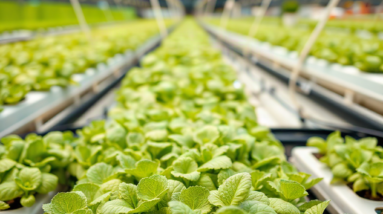
How to Verify Food-Grade Hydroponic Nutrients: Labels, Contaminant Controls, and Batch Records
Verify food-grade hydroponic nutrients by checking the product label, safety documentation, manufacturer traceability, and crop-use instructions rather than relying on the phrase “food-grade” alone. Confirm that the formulation is intended for edible crops, identify every ingredient and micronutrient source, request a current certificate of analysis when available, and inspect the…
Hydroponic Vegetables Labeled Pesticide Free: What the Label Really Means
Hydroponic vegetables labeled pesticide free are produce advertised as grown without certain synthetic or conventional pesticide applications, but the phrase alone does not prove organic certification, zero chemical exposure, or safer handling. Shoppers should inspect the package for a defined claim, producer contact information, certification details when offered, and instructions for washing and refrigeration.