
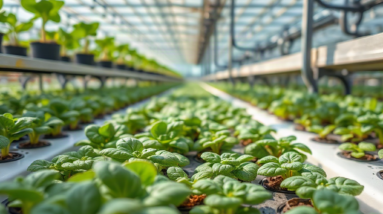
Natural Nutrients Versus Synthetic Nutrients in Hydroponics: Which Inputs Fit Your System?
Natural nutrients versus synthetic nutrients in hydroponics differ mainly in solubility, consistency, and how easily plants can access each element. Synthetic formulas provide measured mineral ions that dissolve predictably, making pH, electrical conductivity, and deficiency diagnosis simpler, while natural inputs such as compost extracts, fish hydrolysate, and kelp products contain…
What Organic Hydroponic Certification Requires For Crop Records, Inputs, And Inspections
Organic hydroponic certification requires a certifier to verify the farm’s production methods, approved inputs, crop records, handling procedures, and separation from prohibited materials. The central issue is not whether plants grow without soil, but whether the entire operation complies with the applicable organic standards and whether every claim can be documented.
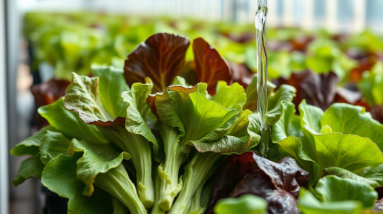
Hydroponic Produce Washing Water Safety: Rinsing Steps, Cross-Contamination Risks, And Storage
Hydroponic produce washing water safety depends on using potable water, clean food-contact equipment, and a rinse process that prevents dirty water from spreading contamination. Harvested lettuce, herbs, and other greens can carry microbes from hands, cutting tools, harvest containers, or nearby surfaces even when grown without soil.
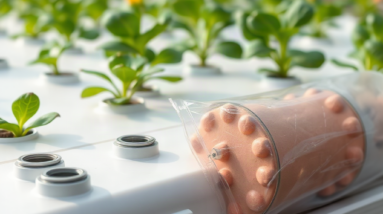
Food-Grade Materials For Hydroponic Systems: Plastics, Metals, Sealants, And Safe Selection
Food-grade materials for hydroponic systems should be chemically stable, easy to sanitize, nonporous, and suitable for continuous contact with nutrient solution. Common choices include opaque HDPE, polypropylene, PVC or CPVC rated for the intended use, stainless steel, silicone tubing, and certified food-contact gaskets.
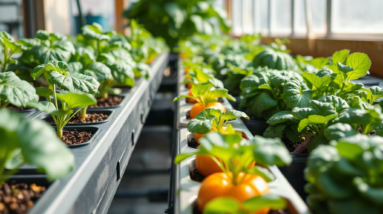
Growing Hydroponic Vegetables With Limited Sunlight: LED Setup, Crop Choices, And Daily Timing
Explore growing hydroponic vegetables with limited sunlight through what limited sunlight changes, considering the conditions that change the outcome.
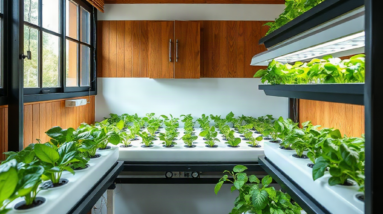
Choosing a Hydroponic System for Rental Housing With Quiet Care, Small Footprints, and Easy Removal
Choosing a Hydroponic System for Rental Housing With Quiet Care, Small Footprints, and Easy Removal
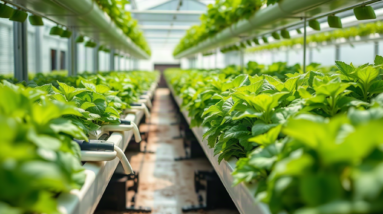
Hydroponic Garden Return On Investment Factors For Payback Planning And Crop Choice
Hydroponic garden return on investment factors are mainly upfront equipment, ongoing electricity and nutrient costs, crop value, harvest volume, system lifespan, and the grower’s labor. Payback is more realistic when a garden produces frequently harvested crops such as lettuce, herbs, or microgreens rather than low-value crops that occupy space for months.
Evaluating Hydroponics for Household Food Supply Through Yield, Cost, And Reliability
Evaluating hydroponics for household food supply means comparing dependable harvests with electricity use, equipment costs, crop limits, and daily maintenance. A well-managed system can provide frequent lettuce, herbs, and some compact vegetables, especially where outdoor soil or space is limited, but it rarely replaces a household’s full food supply.
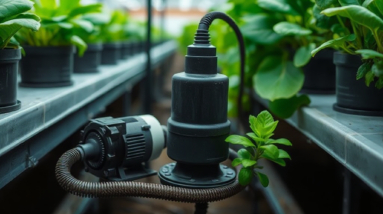
When a Hydroponic Reservoir Needs a Second Pump: Flow Tests, Placement, And Backup Use
A hydroponic reservoir needs a second pump when one pump cannot provide dependable circulation, delivery, or backup coverage for the system’s layout and crop load. Typical pressure points include long return lines, multiple grow channels, elevation changes, clogged filters, uneven outlet flow, and a pump that must serve both irrigation and mixing.