
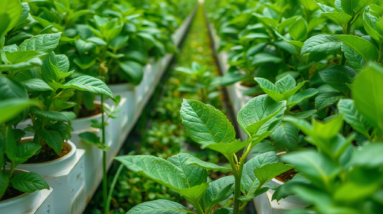
How To Create A Hydroponic Pest Control Strategy Without Disrupting Beneficial Insects
Create a hydroponic pest control strategy by combining routine scouting, accurate pest identification, quarantine, environmental correction, and the least disruptive treatment that fits the crop. Inspect leaf undersides, growing tips, stems, media, and nearby surfaces on a fixed schedule, then record pest location and severity before acting.
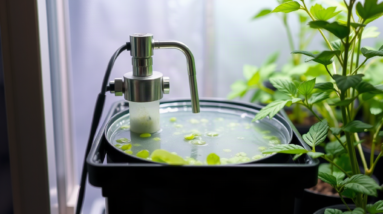
How To Maintain Consistent Nutrient Solution Temperatures Across Changing Room Conditions
Maintain consistent nutrient solution temperatures by measuring the reservoir itself, insulating it from heat swings, and using active heating or cooling when the room cannot hold a stable range. A submerged thermometer or temperature probe reveals changes that air readings miss, while a covered, light-blocking reservoir reduces warming and algae-favoring light exposure.

Hydroponic Harvest Tools For Clean Cuts: Blade Types, Timing, And Sanitation
Hydroponic harvest tools for clean cuts should combine a sharp bypass blade, a comfortable grip, and a sanitation routine matched to the crop and harvest pace. Fine-tip snips suit basil, lettuce, and dense herb growth, while bypass pruners handle thicker stems without crushing nearby tissue.
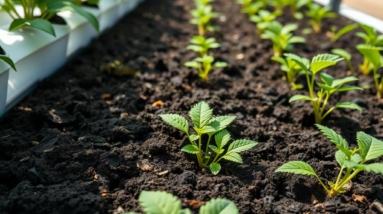
When to Replace Contaminated Hydroponic Media: Warning Signs, Timing, And Safe Removal
Replace contaminated hydroponic media when it carries persistent root-rot odor, slimy growth, visible mold, pest residue, or plant disease that remains after the affected crop is removed. Media that has been saturated with infected roots, stagnant nutrient solution, or decomposing organic matter can transfer problems to a new plant, especially…
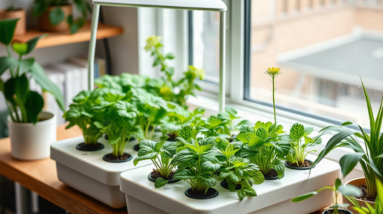
Hydroponic Gardens for Shared Living Spaces: Roommate-Friendly Setups, Crops, And Care
Hydroponic gardens for shared living spaces work best when compact crops, quiet equipment, spill-resistant placement, and clearly assigned care duties are planned together. A countertop wick or small deep-water system suits leafy greens and herbs, while a larger recirculating unit needs more light, reservoir checks, and agreement about noise and electricity.
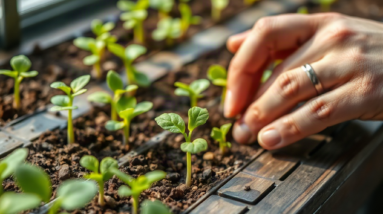
How To Avoid Nutrient Deficiencies In Seedlings With Early Feeding, pH Checks, And Root-Zone Control
To avoid nutrient deficiencies in seedlings, use a mild, complete nutrient solution only after the first true leaves appear, keep root-zone pH within the crop’s usable range, and verify EC rather than guessing from leaf color.
How To Improve Water Retention In Hydroponic Systems With Better Reservoir, Media, And Root-Zone Control
How to improve water retention in hydroponic systems starts with matching the reservoir, growing medium, irrigation cycle, and root-zone airflow to the crop’s actual demand. Use a covered, correctly sized reservoir, choose media that holds moisture without staying saturated, and adjust pump timing after checking runoff, reservoir level, temperature, and plant weight.
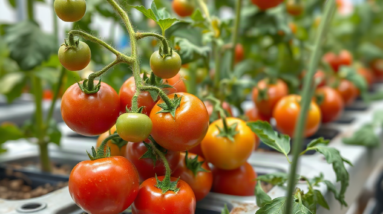
How To Troubleshoot Growth Issues In Hydroponic Tomatoes By Symptom And Cause
Troubleshoot growth issues in hydroponic tomatoes by recording the symptom, checking root-zone conditions, verifying pH and nutrient strength with calibrated meters, and then changing one variable at a time. Stunted plants often reflect restricted roots, unstable temperature, poor oxygenation, or an incorrect nutrient concentration rather than a single missing supplement.
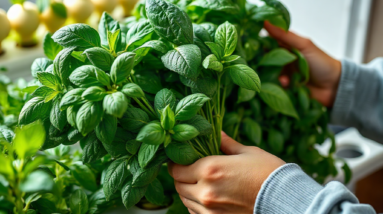
Harvesting Hydroponic Herbs Without Stopping Growth: Cut-and-Come-Again Methods That Work
Harvesting hydroponic herbs without stopping growth depends on taking small, well-timed cuts above active leaf nodes while leaving enough foliage for photosynthesis. Cut basil, mint, oregano, and similar herbs with clean scissors, remove no more than about one-third of the plant at once, and avoid stripping the lowest healthy leaves.
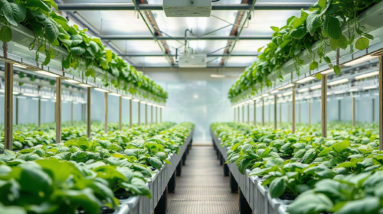
Growing Hydroponic Vegetables in Cold Rooms With Reliable Temperature Control
Growing hydroponic vegetables in cold rooms works when root-zone temperature, air temperature, lighting, and humidity are managed together rather than treating cold as a simple thermostat setting. Use crops suited to cool conditions, insulate reservoirs and pipes, prevent chilled nutrient solution from reaching roots, and provide enough light to offset slower winter growth.