
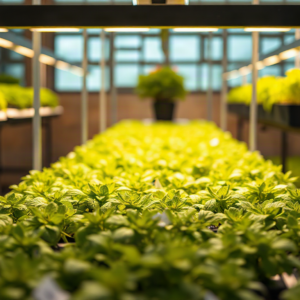
How To Manage The Temperature Of Hydroponic Solutions: Cooling Methods, Timing, And Warning Signs
Manage the temperature of hydroponic solutions by measuring the reservoir itself, shielding it from heat, and using active cooling when passive methods cannot hold a stable range. Many crops perform well when the solution remains roughly 65–72°F (18–22°C), although crop choice, dissolved oxygen, system design, and room conditions affect the useful target.
Read More »
How To Prevent Nutrient Depletion In Long-Term Grows: Reservoir Checks, Replenishment, And Crop Timing
Prevent nutrient depletion in long-term grows by tracking reservoir strength and pH, replacing solution on a planned schedule, topping up with correctly mixed nutrients, and adjusting feed concentration as plant demand changes. Plants remove ions at different rates, while evaporation raises concentration and water-quality issues can interfere with uptake.
Read More »How To Address Calcium Deficiency In Hydroponic Plants With A Diagnostic And Recovery Plan
Address calcium deficiency in hydroponic plants by confirming the symptoms, checking pH and root conditions, then correcting the nutrient solution with a complete calcium-containing fertilizer rather than adding calcium blindly. Young leaves with distorted edges, tip burn, or weak new growth often indicate limited calcium delivery, but high solution salinity…
Read More »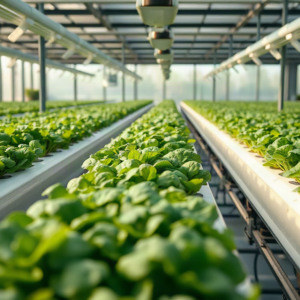
How To Select The Right Hydroponic System For Greens: A Crop-Focused Decision Checklist
Select a hydroponic system for greens by matching the crop’s shallow roots and short harvest cycle to available space, maintenance time, budget, and desired planting density. Deep water culture suits beginners who can monitor aeration and water temperature, while nutrient film technique uses less solution and fits repeat harvests when channels remain level and clean.
Read More »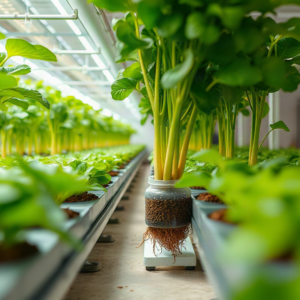
How To Optimize Growth Rates In Hydroponic Systems: Light, Climate, And Root-Zone Steps
How to optimize growth rates in hydroponic systems depends on matching light intensity, climate, root-zone oxygen, and crop-specific nutrition rather than simply adding fertilizer. Measure pH and electrical conductivity consistently, keep the solution temperature stable, and verify that roots receive enough oxygen through appropriate aeration or flow.
Read More »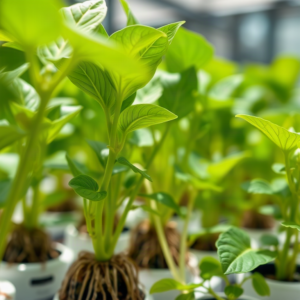
How To Recognize Signs Of Stress In Hydroponic Plants Through Symptoms, Causes, And Checks
Recognize stress in hydroponic plants by comparing new growth, leaf color, root condition, and the reservoir’s pH and electrical conductivity readings. Yellowing leaves can reflect nutrient imbalance or root trouble, while curling, tip burn, wilting, slowed growth, and brown roots may point to heat, poor oxygenation, salt buildup, pests, or environmental strain.
Read More »How To Improve Nutrient Delivery In Hydroponics With Better Mixing, Flow, And Root-Zone Monitoring
How to improve nutrient delivery in hydroponics is to combine accurate nutrient mixing with stable pH, adequate circulation, clean irrigation paths, and regular root-zone checks. Begin by testing source water, dissolving nutrients in the correct order, and verifying electrical conductivity after mixing rather than relying only on the label dose.
Read More »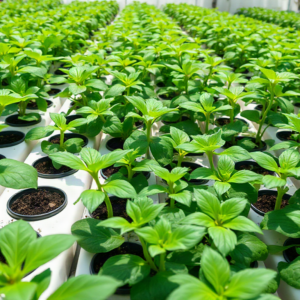
How To Avoid Over-Crowding In Hydroponic Gardens: Plant Spacing, Airflow, And Pruning
Avoid over-crowding in hydroponic gardens by spacing plants according to their mature canopy, limiting each site to one appropriately sized plant, and pruning growth before leaves overlap. Crowded foliage blocks light, restricts airflow, raises humidity around leaves, and makes nutrient or pest problems harder to detect.
Read More »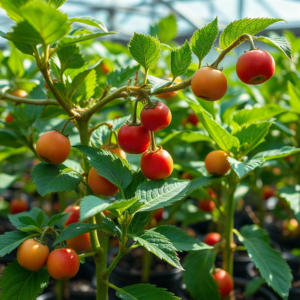
How to Balance Light Cycles for Fruiting Plants With a Reliable Flowering Schedule
Balance light cycles for fruiting plants by matching the dark period to the crop’s flowering response, using a consistent timer, and checking light intensity and temperature at canopy level. Photoperiod-sensitive plants generally need an uninterrupted longer night to maintain flowering, while day-neutral plants can fruit without a strict light trigger…
Read More »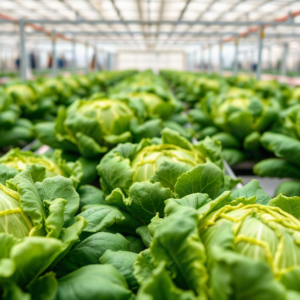
Issues With Hydroponic Vegetable Shelf Life (Causes, Timing, And Storage Fixes)
Issues with hydroponic vegetable shelf life usually come from harvest heat, excess surface moisture, bruising, immature or overmature picking, and storage conditions that do not match the crop. Leafy greens lose crispness when they are harvested warm and sealed while wet, while tomatoes, cucumbers, and peppers may soften after chilling or rough handling.
Read More »