
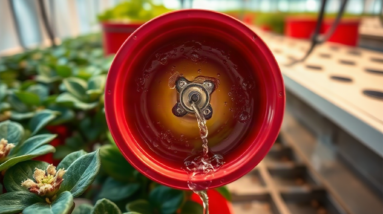
Repairing Rather Than Replacing Hydroponic Equipment: A Practical Cost-and-Risk Checklist
Repairing rather than replacing hydroponic equipment is usually the better choice when the fault is isolated, the frame and food-contact parts remain sound, and a replacement component can restore reliable operation. Begin by unplugging the unit, identifying whether the failure is electrical, mechanical, hydraulic, or structural, and testing the affected part separately.
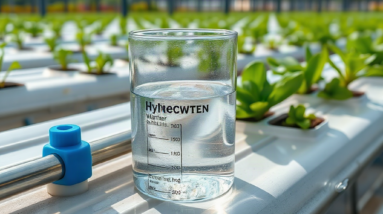
Recovering Usable Water From Hydroponic Systems With Filtration, Testing, And Safe Reuse
Recovering usable water from hydroponic systems means collecting runoff or drained solution, removing debris, testing its chemistry, and deciding whether it is suitable for plants, cleaning, or non-potable irrigation. The main limits are accumulated salts, changing nutrient ratios, root-zone pathogens, and contaminants introduced by dirty equipment or crop treatments.
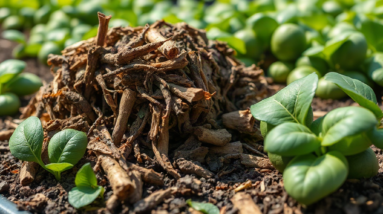
Composting Spent Hydroponic Plant Material: A Practical Breakdown Plan
Composting spent hydroponic plant material works when roots, stems, leaves, and growing media are separated from contaminants, chopped, balanced with dry carbon, and kept aerated until the pile matures. Remove plastic, clips, wires, diseased tissue, and any media that may contain synthetic fibers or chemical residues before adding plant matter.
Reusing Hydroponic Grow Media Safely: Cleaning Steps, Disinfection, and Reuse Limits
Reusing hydroponic grow media safely means sorting out damaged material, removing old roots and salts, disinfecting the media with a crop-appropriate method, and drying or storing it so pathogens and pests do not carry into the next planting.
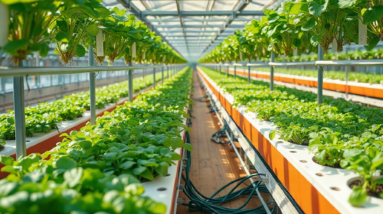
Reducing Single-Use Plastic in Hydroponic Gardens With Reusable Systems and Smarter Workflows
Reducing single-use plastic in hydroponic gardens means replacing disposable pots, bags, tubing, labels, and packaging with durable alternatives while keeping sanitation and crop reliability intact. Reusable nursery trays, washable harvest containers, refillable nutrient storage, fabric ties, and permanent plant labels usually deliver the biggest gains.
How to Verify Food-Grade Hydroponic Nutrients: Labels, Contaminant Controls, and Batch Records
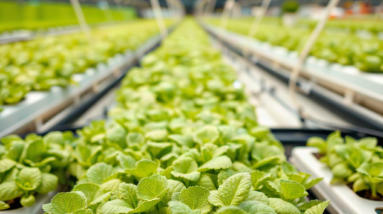
Verify food-grade hydroponic nutrients by checking the product label, safety documentation, manufacturer traceability, and crop-use instructions rather than relying on the phrase “food-grade” alone. Confirm that the formulation is intended for edible crops, identify every ingredient and micronutrient source, request a current certificate of analysis when available, and inspect the…
Hydroponic Vegetables Labeled Pesticide Free: What the Label Really Means
Hydroponic vegetables labeled pesticide free are produce advertised as grown without certain synthetic or conventional pesticide applications, but the phrase alone does not prove organic certification, zero chemical exposure, or safer handling. Shoppers should inspect the package for a defined claim, producer contact information, certification details when offered, and instructions for washing and refrigeration.
Natural Nutrients Versus Synthetic Nutrients in Hydroponics: Which Inputs Fit Your System?
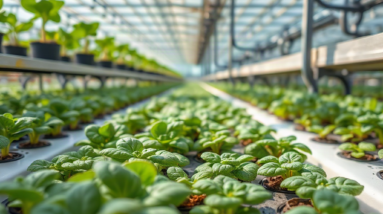
Natural nutrients versus synthetic nutrients in hydroponics differ mainly in solubility, consistency, and how easily plants can access each element. Synthetic formulas provide measured mineral ions that dissolve predictably, making pH, electrical conductivity, and deficiency diagnosis simpler, while natural inputs such as compost extracts, fish hydrolysate, and kelp products contain…
What Organic Hydroponic Certification Requires For Crop Records, Inputs, And Inspections
Organic hydroponic certification requires a certifier to verify the farm’s production methods, approved inputs, crop records, handling procedures, and separation from prohibited materials. The central issue is not whether plants grow without soil, but whether the entire operation complies with the applicable organic standards and whether every claim can be documented.
Hydroponic Produce Washing Water Safety: Rinsing Steps, Cross-Contamination Risks, And Storage
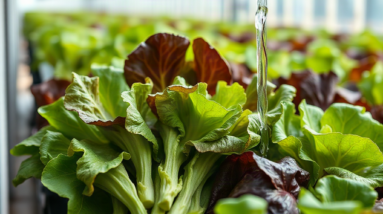
Hydroponic produce washing water safety depends on using potable water, clean food-contact equipment, and a rinse process that prevents dirty water from spreading contamination. Harvested lettuce, herbs, and other greens can carry microbes from hands, cutting tools, harvest containers, or nearby surfaces even when grown without soil.