
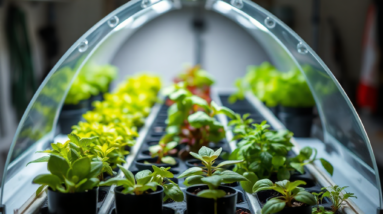
Scaling a Home Hydroponic Garden Safely With a Staged Expansion Plan
Scaling a home hydroponic garden safely means expanding plant sites, water volume, lighting, and electrical equipment in stages while preserving stable pH, nutrient strength, airflow, sanitation, and leak protection. Add one system section at a time, size pumps and circuits for the actual load, keep reservoirs accessible, and test the…
Why Hydroponic Flowers Drop Before Fruiting: Causes, Checks, And Fruit-Set Fixes
Hydroponic flowers drop before fruiting when pollination fails or the plant experiences stress during flowering, especially from excessive heat, unstable humidity, weak airflow, irregular irrigation, or an imbalanced root-zone solution. Tomatoes, peppers, cucumbers, and similar crops need viable pollen, receptive flowers, and steady water and nutrient uptake to set fruit.
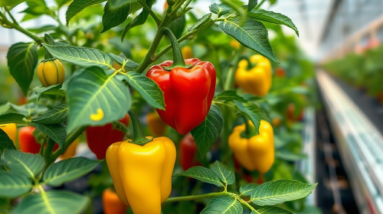
Best Pollination Timing For Hydroponic Peppers: Flower Windows, Airflow, And Fruit Set
Best pollination timing for hydroponic peppers is late morning, after flowers have opened and foliage surface moisture has dried, because moderate warmth and gentle airflow make pollen transfer more reliable. Tap each flowering stem or use a small artist’s brush every day or two while fresh flowers are receptive, then…
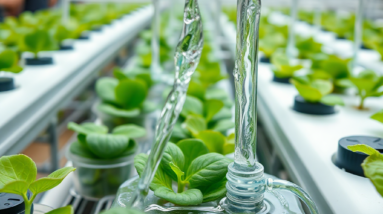
Hydroponic Oxygenation Without Air Stones: Water Movement, Oxygen Levels, And Reliable Methods
Hydroponic oxygenation without air stones works by increasing gas exchange at the water surface, creating turbulence, or repeatedly exposing nutrient solution to air through a waterfall, venturi, or recirculating return line. A submerged circulation pump can move oxygenated water, but it does not add much oxygen if the reservoir remains…
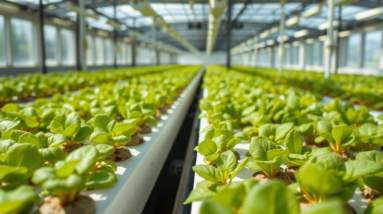
Detecting Stagnant Zones in Hydroponic Channels Through Flow Tests, Dye Tracing, And Root Inspection
Detecting stagnant zones in hydroponic channels requires comparing flow at several points, watching how a harmless dye moves, and inspecting roots for low-oxygen stress. Slow areas usually develop behind fittings, beneath dense roots, near channel ends, or where the channel is uneven and the nutrient film becomes too shallow or too deep.
Measuring Root Zone Moisture in Hydroponics: Sensor Methods, Timing, And Irrigation Decisions
Measuring root zone moisture in hydroponics works best by combining a calibrated moisture sensor with reservoir level, irrigation timing, and direct inspection of the growing medium. Probe readings show whether a media-based system is drying between irrigation events, while runoff, emitter flow, and root appearance reveal whether moisture is actually reaching the root zone evenly.
Hydroponic Root Zone Oxygen Indicators: Symptoms, Tests, And Fixes
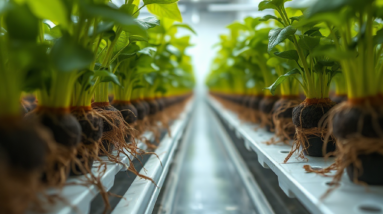
Hydroponic root zone oxygen indicators include root color and texture, water temperature, dissolved-oxygen readings, air-stone performance, and plant responses such as wilting despite a full reservoir. Cream or white, firm roots usually suggest better aeration, while brown, soft, slimy roots and sour-smelling water point to oxygen stress and possible root disease.
Quiet Air Pumps For Indoor Hydroponics: Noise Ratings, Airflow Checks, And Setup Fixes
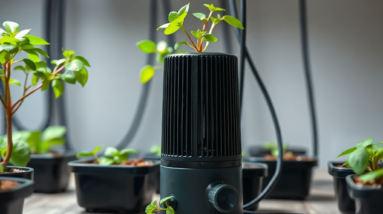
Quiet air pumps for indoor hydroponics work best when low operating noise is matched with adequate airflow, a stable mounting surface, and correctly sized air stones. Compare sound claims under similar conditions, then check whether the pump can supply the number and depth of stones your reservoir requires.
How to Compare Hydroponic Crop Cycles by Time, Yield, and Resource Use
Compare hydroponic crop cycles by recording the same timeline, usable yield, labor, energy, water, and crop quality for each plant, then judging results against the space and equipment available. Separate seed-to-harvest time from regrowth time, because a fast first cut may produce less total food than a slower crop with repeated harvests.
Hydroponic Data Trends Worth Charting: What to Measure, Compare, and Act On
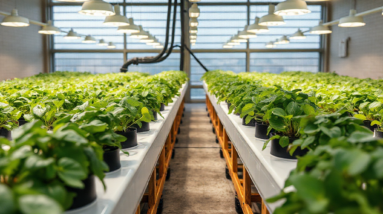
Hydroponic data trends worth charting include nutrient strength, pH, reservoir temperature, water use, light exposure, air conditions, plant growth, and harvest results because these measurements reveal whether a change is helping or creating hidden stress.