
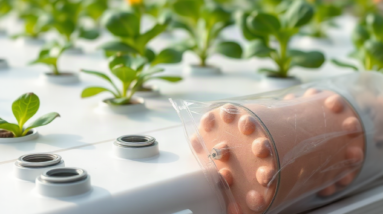
Food-Grade Materials For Hydroponic Systems: Plastics, Metals, Sealants, And Safe Selection
Food-grade materials for hydroponic systems should be chemically stable, easy to sanitize, nonporous, and suitable for continuous contact with nutrient solution. Common choices include opaque HDPE, polypropylene, PVC or CPVC rated for the intended use, stainless steel, silicone tubing, and certified food-contact gaskets.
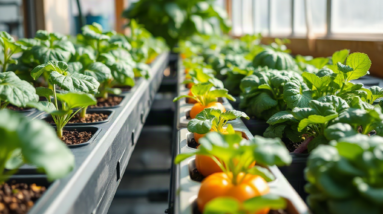
Growing Hydroponic Vegetables With Limited Sunlight: LED Setup, Crop Choices, And Daily Timing
Explore growing hydroponic vegetables with limited sunlight through what limited sunlight changes, considering the conditions that change the outcome.
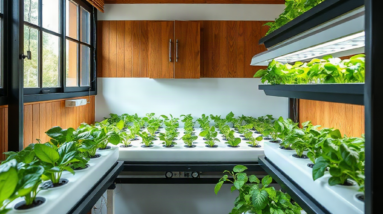
Choosing a Hydroponic System for Rental Housing With Quiet Care, Small Footprints, and Easy Removal
Choosing a Hydroponic System for Rental Housing With Quiet Care, Small Footprints, and Easy Removal
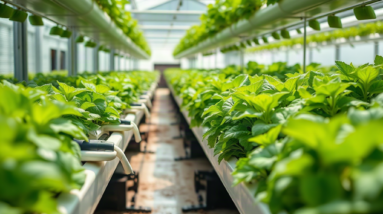
Hydroponic Garden Return On Investment Factors For Payback Planning And Crop Choice
Hydroponic garden return on investment factors are mainly upfront equipment, ongoing electricity and nutrient costs, crop value, harvest volume, system lifespan, and the grower’s labor. Payback is more realistic when a garden produces frequently harvested crops such as lettuce, herbs, or microgreens rather than low-value crops that occupy space for months.
Evaluating Hydroponics for Household Food Supply Through Yield, Cost, And Reliability
Evaluating hydroponics for household food supply means comparing dependable harvests with electricity use, equipment costs, crop limits, and daily maintenance. A well-managed system can provide frequent lettuce, herbs, and some compact vegetables, especially where outdoor soil or space is limited, but it rarely replaces a household’s full food supply.
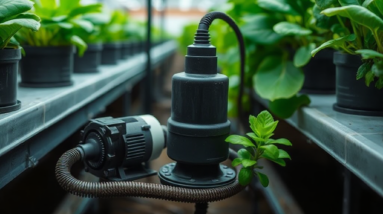
When a Hydroponic Reservoir Needs a Second Pump: Flow Tests, Placement, And Backup Use
A hydroponic reservoir needs a second pump when one pump cannot provide dependable circulation, delivery, or backup coverage for the system’s layout and crop load. Typical pressure points include long return lines, multiple grow channels, elevation changes, clogged filters, uneven outlet flow, and a pump that must serve both irrigation and mixing.
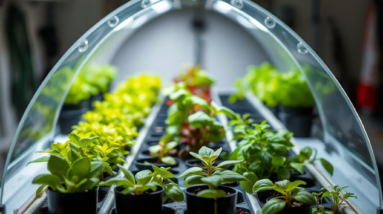
Scaling a Home Hydroponic Garden Safely With a Staged Expansion Plan
Scaling a home hydroponic garden safely means expanding plant sites, water volume, lighting, and electrical equipment in stages while preserving stable pH, nutrient strength, airflow, sanitation, and leak protection. Add one system section at a time, size pumps and circuits for the actual load, keep reservoirs accessible, and test the…
Why Hydroponic Flowers Drop Before Fruiting: Causes, Checks, And Fruit-Set Fixes
Hydroponic flowers drop before fruiting when pollination fails or the plant experiences stress during flowering, especially from excessive heat, unstable humidity, weak airflow, irregular irrigation, or an imbalanced root-zone solution. Tomatoes, peppers, cucumbers, and similar crops need viable pollen, receptive flowers, and steady water and nutrient uptake to set fruit.
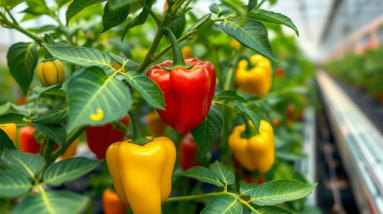
Best Pollination Timing For Hydroponic Peppers: Flower Windows, Airflow, And Fruit Set
Best pollination timing for hydroponic peppers is late morning, after flowers have opened and foliage surface moisture has dried, because moderate warmth and gentle airflow make pollen transfer more reliable. Tap each flowering stem or use a small artist’s brush every day or two while fresh flowers are receptive, then…