
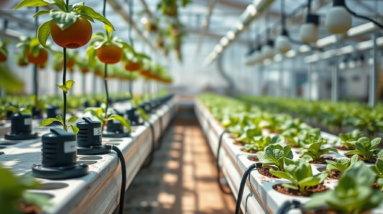
Estimating Hydroponic Electricity Costs Monthly: A Meter-and-Formula Budget Plan
Estimating hydroponic electricity costs monthly requires adding each device’s wattage, daily runtime, and local electricity rate, with lighting, climate control, pumps, and ventilation usually shaping the result. Multiply watts by hours used and divide by 1,000 to get kilowatt-hours, then multiply that figure by your utility rate and add fixed…
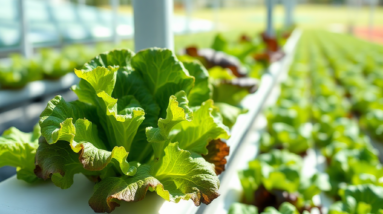
Is Hydroponic Lettuce Cheaper to Grow at Home? A Realistic Cost Comparison
Hydroponic lettuce can be cheaper to grow at home over repeated harvests, but it is usually more expensive than store-bought lettuce during the first setup cycle. The result depends on equipment cost, electricity for lighting and pumps, nutrient use, seed prices, and how consistently the system produces healthy heads.
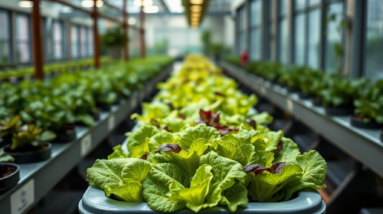
Hydroponic Garden Cost Per Vegetable (Crop-by-Crop Budget Examples)
Hydroponic garden cost per vegetable depends on the crop’s space, harvest speed, electricity use, nutrient demand, and share of equipment cost. Leaf lettuce and herbs usually have a lower cost per harvest because they mature quickly and fit densely, while tomatoes, peppers, and cucumbers occupy a growing site longer and…
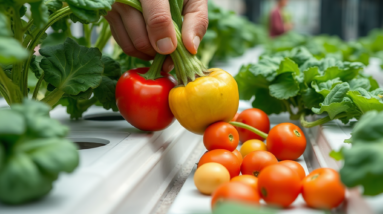
Harvesting Hydroponic Vegetables for Longer Storage: Timing, Cooling, and Container Choices
Explore harvesting hydroponic vegetables for longer storage through right harvest point and cut, handle, considering the conditions that change the outcome.
Drying Hydroponic Greens Before Storage: Spin-Dry, Air-Dry, or Pat Dry?
Drying hydroponic greens before storage means removing surface water without bruising the leaves or allowing them to warm for too long. Rinse only when needed, drain thoroughly, then use a salad spinner, clean towels, or a brief air-drying period until the greens feel dry rather than dehydrated.
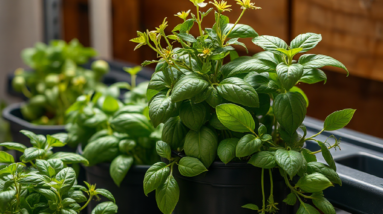
Keeping Hydroponic Herbs Fresh After Harvest With Cold Storage, Moisture Control, and Better Containers
Keeping hydroponic herbs fresh after harvest depends on gentle cutting, rapid removal of surface moisture, and storage matched to the herb: tender basil usually prefers a cool room and water-filled stems, while cilantro, parsley, mint, and chives generally tolerate refrigeration in a breathable, lightly damp environment.
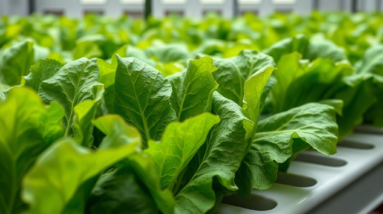
Storing Hydroponic Lettuce to Prevent Wilting: Harvest, Cooling, and Container Methods
Storing hydroponic lettuce to prevent wilting depends on reducing water loss without trapping excess moisture around the leaves. Harvest the lettuce when it is cool, remove damaged outer leaves, and rinse only if needed before drying it thoroughly.
Hydroponic Crop Succession for Continuous Lettuce: A 6-Week Planting Rhythm
Hydroponic crop succession for continuous lettuce works by sowing and transplanting small batches on a fixed schedule rather than filling every channel at once. A six-week rhythm can pair weekly seed starts with staggered harvests, while cultivar choice, nursery space, root-zone capacity, light, temperature, and sanitation determine whether the supply remains even.
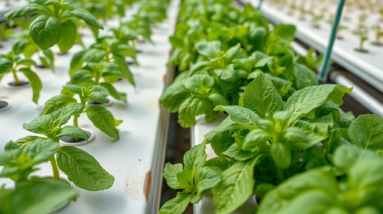
Hydroponic Crops With Different Growth Durations: A Planting Plan From Seedling to Harvest
Hydroponic crops with different growth durations need separate planting intervals, space allowances, and harvest expectations because leafy greens may finish in weeks while fruiting crops occupy the system for months. Lettuce, arugula, and herbs suit staggered sowing, whereas tomatoes, peppers, and cucumbers require longer support, stronger lighting, and more root-zone capacity.
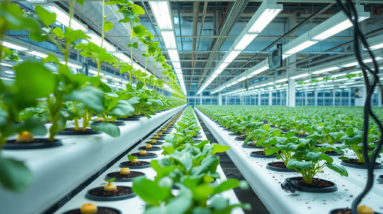
Resetting a Hydroponic System Between Crops Without Carrying Problems Forward
Resetting a hydroponic system between crops means removing plant residue, draining the old nutrient solution, scrubbing deposits, sanitizing compatible surfaces, rinsing thoroughly, and checking pumps, tubing, roots, and leaks before replanting. The reset matters because leftover roots, biofilm, algae, mineral scale, and unused fertilizer can carry problems into the next…